Anveshi Kannur Chapter

आस्ते भग आसीनस्य, ऊध्वर्स्तिष्ठति तिष्ठतः।

Best yatra

Anveshi Kannur Chapter

We are born anveshi – seekers by nature.

Information

Man is born to search: for truth; for beauty and meaning in life; for Anveshana. The word anveshana means discovery, and the one who searches is called – anveshi – the discoverer.
Kashmir Shaiva darshana tells us that vimarsha – Shiva reflecting upon himself – is one of the highest goals of existence itself. According to another school of thought, nature nudged evolution to a point where a species would emerge, capable of reflecting upon itself and the mysteries of the cosmos, life, and existence. This element of discovery has mainly two dimensions – inner and outer. And the two are connected.
A favorite theme of literature is wanderlust – fernweh – the innate urge to go out and discover the world. This desire for discovery is fundamental to human nature – to seek the new, to unravel the hidden, to find joy in the very act of anveshana. Human history is shaped by such courageous journeys – taken by individuals and communities – that have transformed the course of civilizations.

We are born anveshi - seekers by nature

This urge is biological; most species possess the instinct to chart new waters and explore unknown territories. Yet, there is a deeper, inner dimension to this impulse. In discovering the world, we also seek to discover the self. In our pursuit of the new, we yearn for the eternal. In our search for change, we long for what is unchanging. In essence, every outer journey becomes an inner anveshana.
In Bharatavarsha and the Hindu dharmic tradition, these two seemingly opposing impulses are beautifully harmonized through the tradition of yatra to sacred kshetras – a journey where both the inner and outer quests are fulfilled in ways that are joyful, meaningful, and spiritually elevating.
Anveshi seeks to contemporize the ancient Indian tradition of yatra by taking modern seekers to sacred kshetras of India – places that are largely unexplored, yet are rich in architectural, sculptural, and cultural splendor. These go beyond just historical sites to living systems that have sustained vibrant cultural traditions for thousands of years.

Kannur Anveshi

In the northern corner of Kerala, hidden in a sea of Muslim majority neighborhoods, is the district of Kannur, an ancient Hindu town with a cluster of Hindu temples that are a continuing, centuries old tradition, even now.
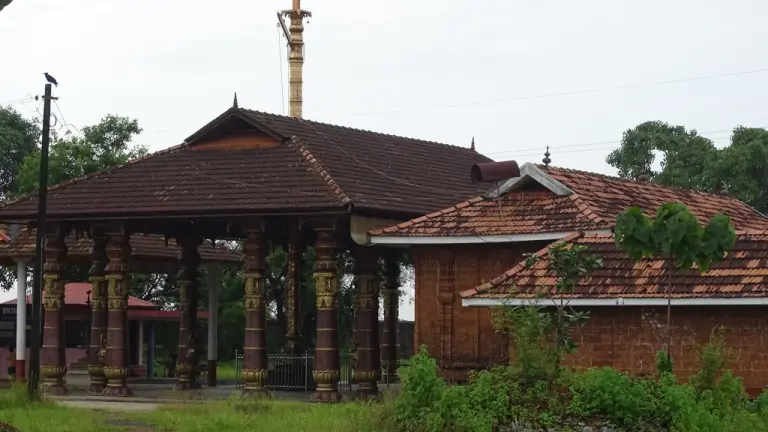
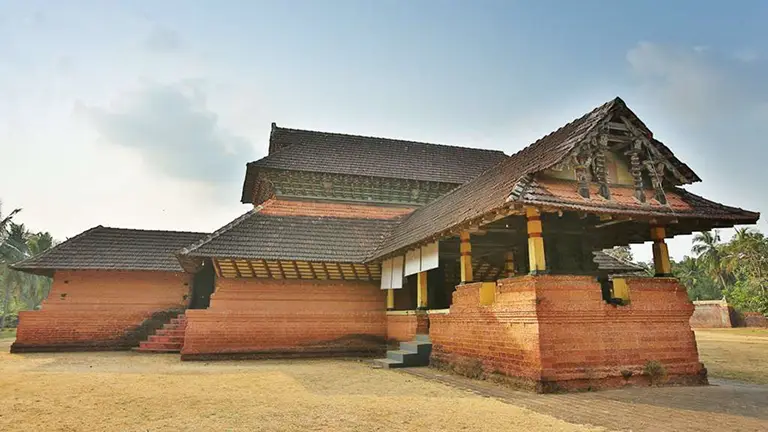
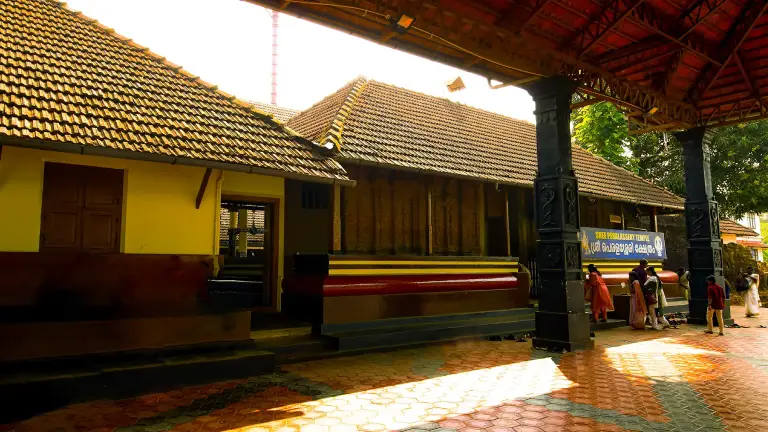
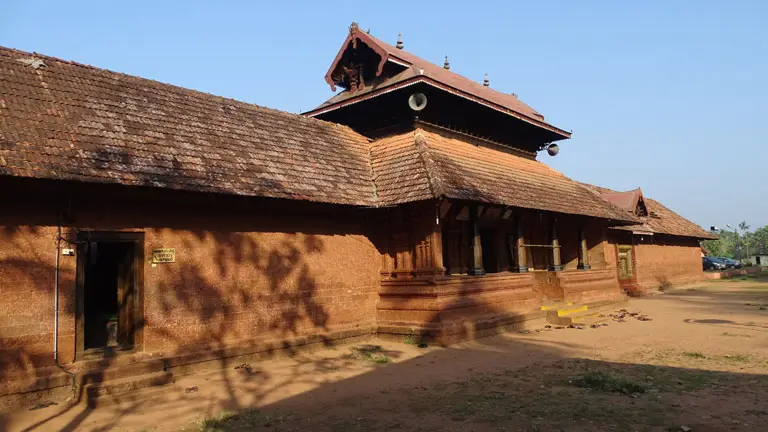
The Kannur cluster of Hindu temples is as diverse as it gets, with temples dedicated to Shiva, Vishnu, Shakti, Ganpati, Murugan and many other deities, covering a diverse range of sects. In architecture, while some display the typical Kerala style architecture, others rival the great temples built on the other side of the Western ghats.
Contrary to what the leftists would have us believe, Kerala has always been foremost in worshiping Shri Rama. Temples dedicated to Shri Rama and other characters of Ramayana are as alive today as they were in ancient times. Along with carrying the Vedic, Sanatana core, these temples in Kerala incorporate many local deities, traditions, and rituals; and many of these temples with their festivals and seasonal rhythms reflect that. Kerala is a kshetra that is blessed with rains, and Kerala temple architecture is not complete without huge and beautiful water tanks that are attached to the temples, some of them being world famous for their pristine and uplifting atmosphere.
Many of these temples conduct festivals which incorporate many art forms including Theyyam, Bharatanatyam and Chendam. In this Kerala Kannur chapter of Bodha Anveshi we will expose you to all of this and a lot more. Join us for an uplifting adventure through one of the lesser known but pristine Hindu temple clusters of Kerala.

This time, let Anveshi take you to Kannur!

Yatra Gallery

Yatra Itinerary

Arrive in Kannur and stay the night in Kannur.
  • Cherukunnu – Sree Annapoorneswary Temple
  • Madayi Kavu – Sree Thiruvarkkaattu Kaavu Bhagavati Temple
  • Vadukunda – Shiva Temple
  • Cheruthazham – Hanumanambalam Sree Raghava Puram Temple
  • Payyanur – Sree Subrahmanya Swami Temple
  • Kanhirangad – Sree Vaidyanatha Temple
  • Taliparamba – Sree Rajarajeswara Temple ( Ladies entry only after 7.30 PM )
  • Trichambaram – Sree Krishna Temple
  • Parassinikadavu – Sree Muthappan (Harihara) Temple
  • Akkare Kottiyoor – Maha Shiva Temple
  • Ikkare Kottiyoor – Sree Mahadeva Temple
  • Kottiyoor Sree – Maha Ganapathi Temple
  • Muzhakkunnu – Sree Mridanga Saileswari Temple
  • Thodikkalam – Shiva Temple
  • Thiruvangad – Sree Rama Swami Temple
  • Thrikkaikunnu – Mahadeva Temple
  • Peralassery – Sree Subramanya Temple
  • Trip ends after lunch
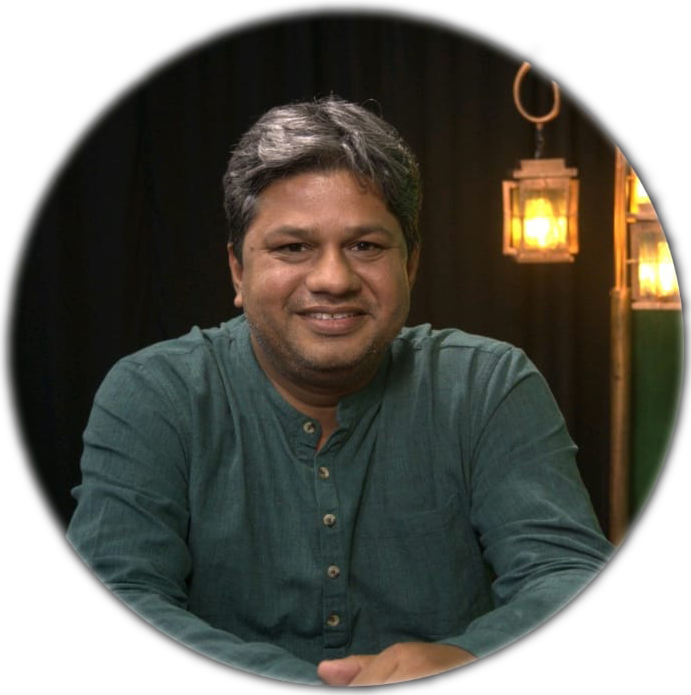
Pankaj Saxena - Hindu temple architecture

A scholar of Hindu temple architecture, Hindu arts and aesthetics. Having visited more than 1600 ancient temples all over Bhārata, he has documented photographic, historical, and oral evidence of the living traditions centered around the Hindu temple. He writes on the meaning and purpose of the Hindu temple in Hindu society and history, and has authored various articles on that topic.
The Temples

The Temples of Anveshi Kannur Chapter

Cherukunnu - Sree Annapoorneswary Temple

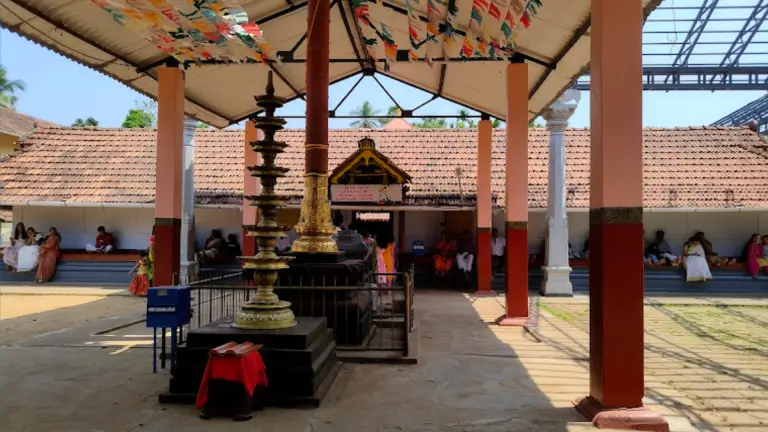
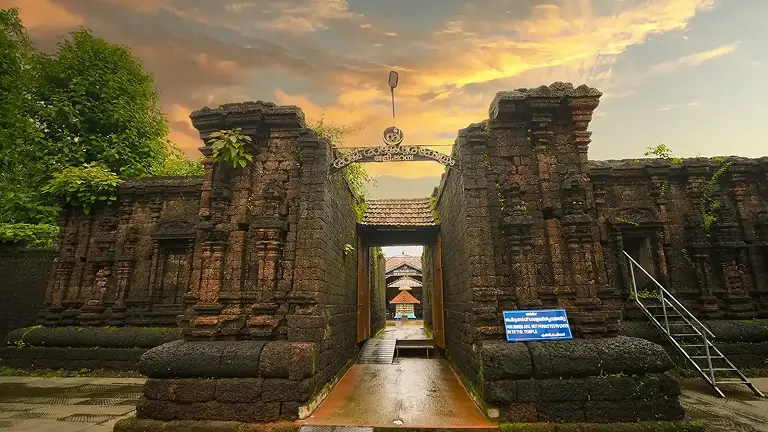
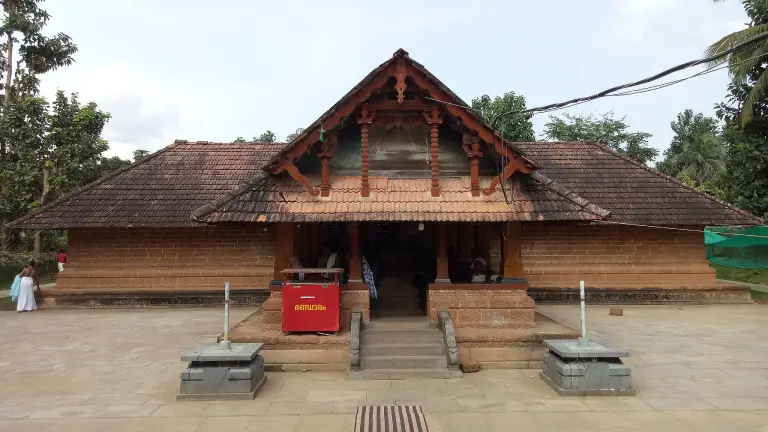
Sree Annapoorneshwari Temple, dedicated to Goddess Parvathy, is situated at Cherukunnu in Kannur district in Kerala. This is one of the two Annapoorneshwari temples in Kerala. The deity here is worshipped as the Mother Goddess who vanquishes hunger. The temple is built in one single type of rock. These polished stones are put together using a mixture of flattened rice and jaggery. There is a beautiful pond in the temple precincts. You can also see a pole or stupa in this temple. The temple festival begins on the 1st of the Malayalam month of Medam (mid-April – mid-May) and lasts for seven days.

Madayi Kavu - Sree Thiruvarkkaattu Kaavu Bhagavati Temple

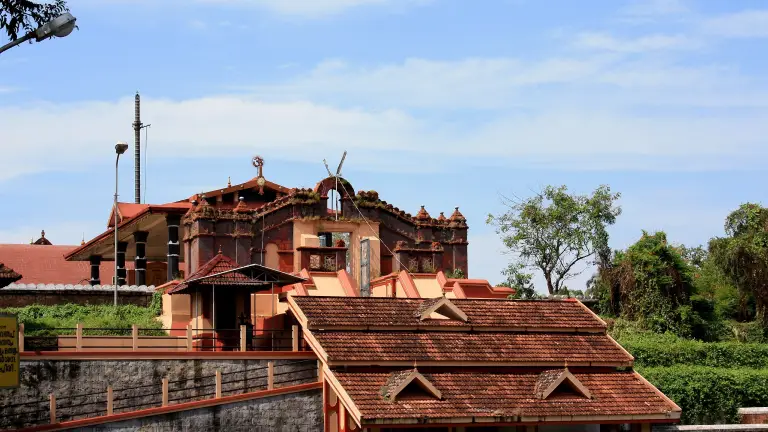
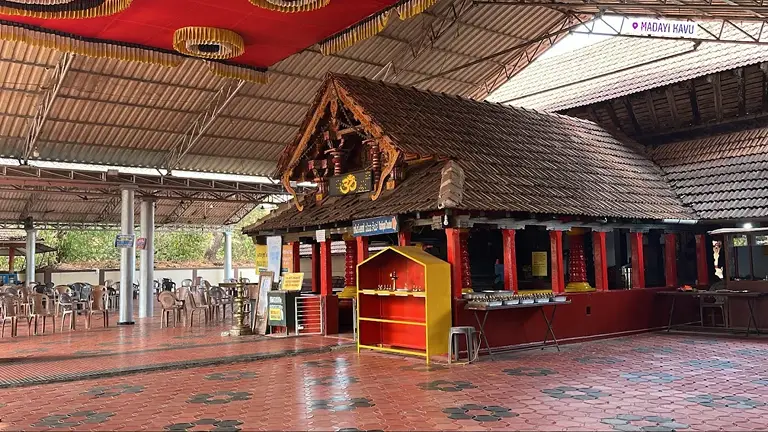
Madayi Kavu, formally known as Sree Thiruvarkkaattu Kaavu Bhagavati Temple, is one of the most ancient temples in North Kerala, situated at Madayi. Set atop a scenic hill with sweeping views of the Arabian Sea and the surrounding landscape, the temple is dedicated to Bhagavati, revered as a powerful protector and benevolent mother deity. The temple is believed to date back over a thousand years and is closely associated with the Kolathiri dynasty, which once ruled the region. Rich in history and legend, Madayi Kavu is deeply connected to Kerala’s ritualistic art forms, especially Theyyam, which is performed here with great devotion and grandeur. The annual festival of the temple is a major cultural event, drawing large numbers of devotees and art enthusiasts who come to witness elaborate rituals, traditional music, and vibrant Theyyam performances.

Vadukunda - Shiva Temple

Vadukunda Shiva Temple is an ancient and revered place of worship located in Madayi (Madai) in the Kannur district of Kerala. Dedicated to Lord Shiva, the temple is believed to be over a thousand years old and is closely associated with the early history of the region and the Kolathiri rulers. Situated on a gentle hill near Madayi Kavu, Vadukunda is considered a powerful spiritual center, where Shiva is worshipped in a serene form. The temple holds special significance for its traditional rituals, sacred pond, and annual festivals, which attract devotees from across North Kerala. Vadukunda Shiva Temple continues to inspire Shiva bhakti among its worshippers.

Cheruthazham - Hanumanambalam Sree Raghava Puram Temple

Hanumanambalam Sree Raghava Puram Temple is a renowned and sacred temple located in Cheruthazham in the Kannur district of Kerala. The temple is dedicated to Lord Rama (Sree Raghava) with Lord Hanuman worshipped with special prominence, reflecting deep-rooted Ramabhakti and Hanuman devotion. Rich in history and spiritual tradition, the temple is believed to be ancient and holds a unique place in North Kerala’s devotional landscape. The serene temple atmosphere, traditional rituals, and annual festivals attract large numbers of devotees seeking strength, protection, and blessings.

Payyanur - Sree Subrahmanya Swami Temple

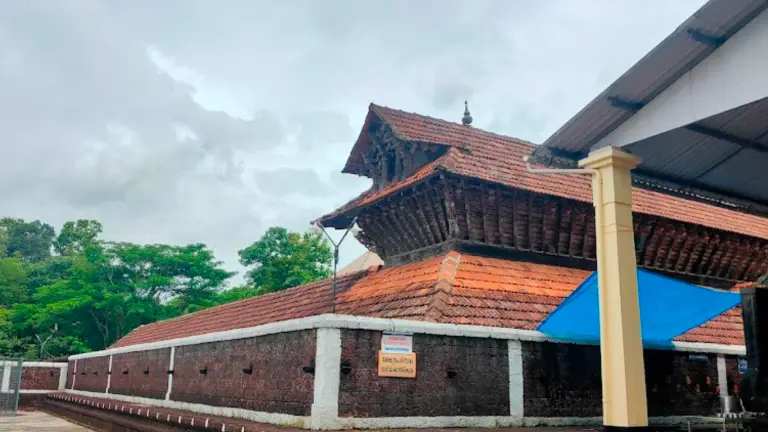
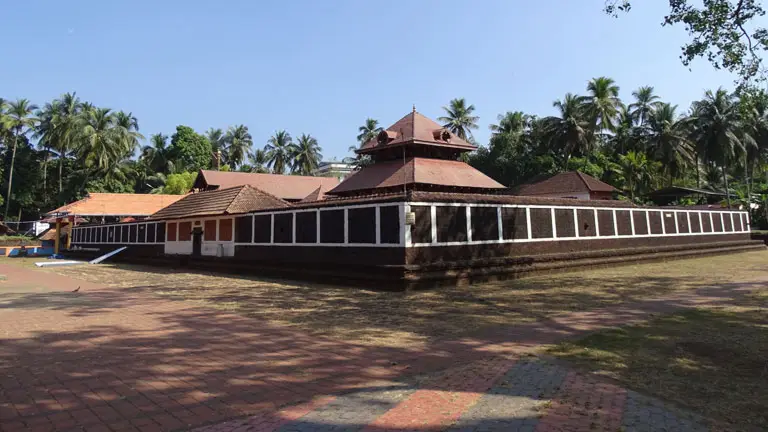
One of the most famous Lord Subramanya temples in Kerala, Sree Subramanya Swami Temple at Payyanur in Kannur district of Kerala has specific architectural significance. The two-storeyed sanctum sanctorum here is in the shape of Gajaprishtam [back of an elephant]. This temple also has a 6-ft tall idol of the main deity, Lord Subramanya. Another interesting feature is its 12ft tall compound wall that is constructed in a unique style. The temple is famous for its pavitra mothiram, a uniquely crafted ring. Made only against the order, with gold and the holy darbha grass, it is worn after being sanctified at the temple.

Kanhirangad - Sree Vaidyanatha Temple

Kanhirangad Sree Vaidyanatha Temple, a Lord Shiva shrine, is where the deity is worshipped as Vaidya Nathan (curer of diseases). It is located at Kanhirangad around 6 kms from Thaliparambu in Kannur district, Kerala, and catches your attention with its unique architectural style. The temple annually celebrates two festivals in the Malayalam month of Dhanu (mid-December – mid-January). One is the Thiruvathira festival and the other is the Kaliyattam (Theyyam) festival.

Taliparamba - Sree Rajarajeswara Temple

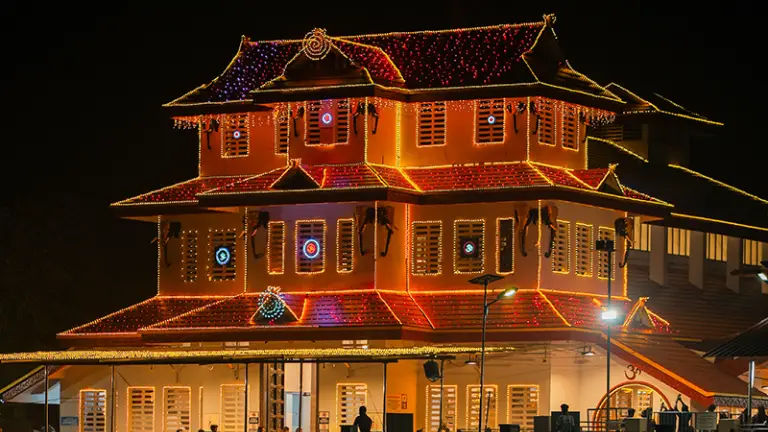
Situated in Taliparamba village in Kannur district, this is a temple where women devotees are allowed to enter only after 8 pm. It is said that at this hour, Lord Shiva is happy in the company of his consort Parvathy, and hence quick to grant women devotees their wishes. It had the tallest shikhara (spire on a Hindu temple) amongst the shrines of its era. The two-tiered sanctum sanctorum is built in a rectangular shape with copper sheets on the roof. The entire complex is a fine example of Kerala’s temple architectural style.

Trichambaram - Sree Krishna Temple

Popularly known as Trichambaram temple, this Sree Krishna Temple in the Kannur district of Kerala is where you can see Lord Krishna in Raudra Bhavam [ferocious posture]. It houses exclusive murals and carvings that date back to the 15th and 16th centuries CE. The annual festival of the temple falls in the Malayalam months of Kumbham and Meenam (March) and it lasts for fourteen days. The festival begins on Kumbham 22nd with the ceremonial flag hoisting (kodiyettam) and comes to end with Koodipirial ritual on 6th Meenam. The festival days are marked by the performance of the ritual art of Thidampu nritham in front of the temple.

Parassinikadavu - Sree Muthappan (Harihara) Temple

Parassinikadavu Muthappan temple or Parassini Madappura Sree Muthappan temple is one of the most sacred pilgrim sites in north Kerala. About 20 kms from Kannur, the temple is situated on the banks of Valapattnam river. The main deity of the temple is Sri Muthappan, a combination of two deities – Thiruvappana (Lord Vishnu) and Vellatom (Lord Shiva). The best time to visit the temple is during the first week of December, when the annual harvest festival, Puthari Thiruvappana is celebrated. The temple provides free meals and accommodation to all the devotees. Deviating from the normal traditions, devotees offer prayers to Muthappan Theyyam artiste who becomes the embodiment of the lord. The whole exercise takes the form of conversations. The Theyyam artiste’s responses are revered and believed to be that of the deity himself. Theyyam dance is performed on a daily basis at the temple and is the primary mode of worship. Dogs are considered sacred here, as the main deity, Sri Muthappan, is believed to be accompanied by a dog always.

Akkare and Ikkare Kottiyoor - Maha Shiva Temple

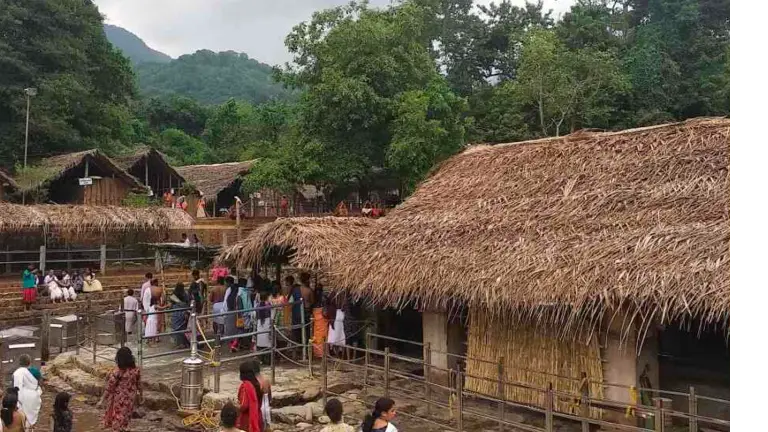
Thruchherumana Kshethram is an ancient Shiva temple in Kannur. Locally, it is known as Ikkare Kottiyoor temple as it is situated on the banks of a river, close (ikkare in Malayalam) to the Kottiyoor village. The second main temple is the Akkare Kottiyoor, situated on the other side (akkare) of Bavali river. The Shiva linga that is worshipped is believed to have been discovered, rather than created, and is therefore known as Swayambhu (self-born). It is believed that the shrine is blessed with the divine presence of the Holy Trinity (Lords Brahma, Vishnu and Shiva) and the rituals practiced here celebrate this divine harmony. The important festival of the temple, Vaisakha Maholsavam, falls during the months of May – June and is celebrated for 28 days. The Akkare Kottiyoor temple is opened only during this festival.

Kottiyoor Sree - Maha Ganapathi Temple

Sree Maha Ganapathi Temple is a revered and ancient shrine located in the sacred Kottiyoor region of the Kannur district of Kerala. Dedicated to Lord Ganesha, worshipped here as Maha Ganapathi, the temple holds a special place in the spiritual traditions of north Kerala. Set amidst the serene natural surroundings associated with the legendary Kottiyoor temples, this shrine is believed to be a powerful center for removing obstacles and bestowing wisdom and prosperity. Devotees visit the temple to seek blessings for success, harmony, and auspicious beginnings, especially before undertaking important life events.

Muzhakkunnu - Sree Mridanga Saileswari Temple

Popularly known as Muzhakkunnu Mridanga Saileswari Temple, this is one of the most famous shrines dedicated to Goddess Durga in Kerala. Situated at Muzhakkunu, the Goddess here is believed to have two forms – Mridangaleswari and Sreeporkali. Popular lore suggests that long ago, a Mridanga fell on this spot from the heavens. Thus this site got the name ‘Mridangashaila Nilayam’ which means, the place where the Mridanga fell. Later on, it also came to be known as Muzhakkunnu. The temple is the family deity of the royal dynasty of Kottayam (Kannur) and is the family temple of the legendary Pazhassi Raja. It was here that the renowned royal Kottayathu Thampuran composed famous Kathakali (dance drama) plays such as Bakavadham, Kirmeeravadham, and Kalyanasaugandhikam.

Thodikkalam - Shiva Temple

Believed to have been constructed some 2000 years ago, Thodeekulam Shiva Temple allures art lovers with its vibrant murals and exquisite structural integrity. The murals here feature various tales from Indian mythology and epics. The temple has around 150 mural paintings spread over 40 panels and covers a 700 sq feet area of the four walls of the sanctum sanctorum. The paintings mainly focus on legends related to Lord Shiva and Lord Vishnu.

Thiruvangad - Sree Rama Swami Temple

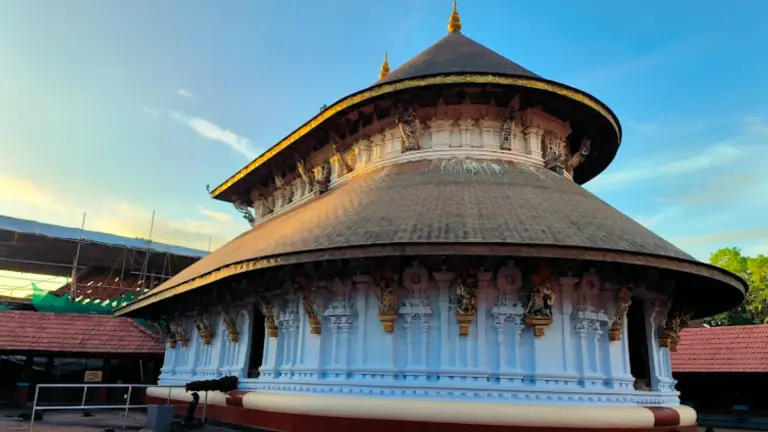
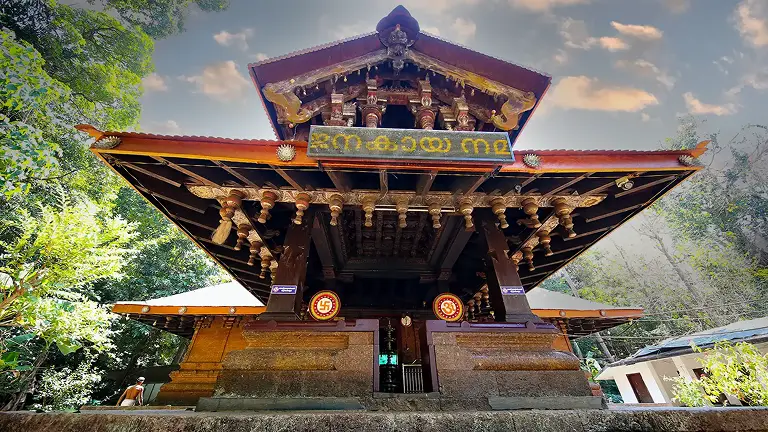
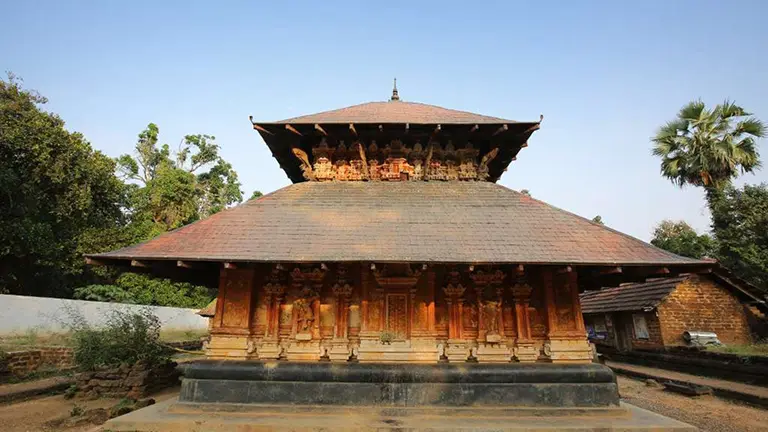
One among the five temples dedicated to Lord Rama in Kerala, the Thiruvangad Sree Ramaswamy Temple is unique. Known as ‘Brass Pagoda’ due to the copper sheeting of its roof, the temple holds many intriguing sculptures and lithic records. It is noted for its intricate wood carvings, terracotta artwork and mural paintings carved on wooden planks on its ceilings. The presiding deity is Lord Vishnu and the idol is carved out in Krishna Shila (Black Stone). The annual festival of the temple begins on Vishu day (Kerala New Year) in Medam (mid-April – mid-May) and lasts for seven days.

Thrikkaikunnu - Mahadeva Temple

Sree Thrikkaikkunnu Mahadeva Temple is situated at Kottayam near Koothuparambu in Kannur district, Kerala. The temple has two sreekovil (sanctum santorum) and is dedicated to Lord Shiva and the other for Lord Perumal (different form of Lord Shiva).

Peralassery - Sree Subramanya Temple

This is an ancient Lord Subramanya temple, situated in Kannur district in Kerala. It is renowned for its matchless architectural splendour and is a treat for art lovers. The temple pond is a marvelous spectacle because it is constructed like a well with numerous steps descending into it. Legend has it that Lord Rama consecrated the Subramanya idol in the temple in Treta Yuga (the second of four yugas or ages of humankind). Before that, the temple was dedicated to Lord Ayyappa. Currently, there are two temples in the same compound, one dedicated to Lord Ayyappa and the other, to Lord Subramanya.

Sevashram

A center dedicated to service and community upliftment. It offers a chance to observe and learn about living a life of compassion.

Sevadham and Sevakunj

Hostels for boys and girls, these spaces embody devotion through action. Spending time here helps ground the lessons learned during the yatra.

information

FAQs

Participants should have innate śhraddhā (reverence) in the Sanatan culture and be open and willing to experience it. Also, as this is an in-person retreat, prepare in advance to be physically present and capable at the venue. Participants should be medically fit to endure physical exertion.

In our culture, there is no age restriction as to when one can embark on an exploration in life.

However, from our experience of such yātrās, we have learnt that the below guidelines have been helpful:

  1. Participants must be between 18 and 60 years of age.
  2. Participants below the age of 18 must either be accompanied by a parent/guardian or submit a letter of parental consent.
  3. Participants above the age of 60 must be in good health that allows them to participate in the itinerary joyfully. Please also ensure all regular medicines/aids are also packed well.

This is not a regular tour programme and our focus is always on the darshan, understanding the history, culture, rituals, lore and traditions of the places we visit. Hence, daily travel can span anywhere between 3-5 hours with brief recesses. It’s also important to remember that the itinerary is subject to changes based on local contexts such as weather, pilgrimage crowds/queues, temple festivals, rituals, schedules etc.

We ensure clean and comfortable hotel stay with basic amenities. The room will be on a twin-sharing basis. Special requests for single rooms will be charged on twin room tariffs, payable additionally (not included in the tour fees) and on a first-come-first-serve basis.
We intend to visit religious institutions and local communities. Prepare to dress modestly, keeping the religious sentiments and local culture in mind. Avoid sleeveless and short clothes for temple visits. Male Participants: Please carry a pair of traditional clothes along with you. Female Participants: Please carry traditional Bhāratīya attire like a saree or a long kurti with dupatta/stole to cover.
We recommend you check the weather and forecast to be well-prepared for a hassle free yatra. In case of additional questions, you can email or call us.
We recommend you to take required precautions and preparation as you would during your own travel plans. We recommend anyone with asthma or any special medical conditions to have a chat with us before you plan enrollment.
Your health is of utmost importance to us and while we will strive to get assistance for any emergency situations, we recommend that you take sufficient stock of your regular medications/aids for regular and or special ailments as we cannot guarantee that these would be readily available during travel.

Cost includes:

  1. Food – We will provide three vegetarian meals per day i.e., breakfast, lunch and dinner. We will explore local flavours and delicacies. We will also get the opportunity to have food in some temples. Excluded from the trip cost are additional snacks, special dietary requirements, and personal mementos or special medicines.
  2. Accommodation – We ensure clean and comfortable hotel stay with basic amenities. The room will be on a twin-sharing basis. Special requests for single rooms will be charged on twin room tariffs, payable additionally (not included in Tour fees) and on a first-come-first-serve basis.
  3. Local Travel- The trip cost covers cultural experiences of all places in the itinerary. Not covered are any shopping or other individual outings or expenses.
  4. Interaction with some prominent locals and authors also.

All the tour related expenses are already covered in the travel cost. However, personal expenses during the trip such local snacks, shopping, souvenirs etc should be kept in mind. Also, participants will bear expenses in case of evacuation due to medical emergencies or natural calamities such as earthquakes etc towards travel, boarding, lodging and medical costs.

Click on the ‘Register Now’ button on the webpage. Proceed to the Google form and fill the required details, upload the documents requested and submit. We will process your submission and verify documentation within 2-3 working days of your submission.

After 3 working days, you can expect a confirmation email (which will be sent to the email id with which you registered) which will have: Payment details and Enrollment Completion Form. Make payment using the payment details and upload the payment screenshot in order to secure your admission into the program. We will send you an acknowledgement email confirming this. After this step, you can proceed to book tickets and plan your travel/logistics to reach meeting point on Day 1. In any of the above steps, if you have questions, please do contact us over email or phone. A WhatsApp group will be formed closer to program dates for planning and coordination.

We will be there to assist you at each stage of the process and you can reach out to us at bikaner@yatrautsav.com  for any query. In the meanwhile, you can try to avoid the following mistakes to make the registration process easier: Incomplete and incorrect information: Name, Email id, Phone Number etc. Uploading unclear photo or ID proof or B&W photo. Do remember that filling your name, email address and phone number is just the first step showing your interest in the programme. Be sure to check email for acknowledgement of your payment and receipt of enrollment completion form.

In case you are not able to join the yātrā due to any avoidable or unavoidable reason(s), you should notify us at the earliest in writing at payments@yatrautsav.com.

Our Refund Policy:

Cancellations

  • made up to 45 days or more before departure – 90% of programme fees
  • made 35 to 44 days before departure – 75% of programme fees
  • made 22 to 34 days before departure – 50% of programme fees
  • made 21 days or less before departure – no refund

To register for Kannur Anveshi, or for any inquiries,
please write to us: