kullu chapter bodha anveshi

आस्ते भग आसीनस्य, ऊध्वर्स्तिष्ठति तिष्ठतः।

Best yatra

kullu chapter bodha anveshi

We are born anveshi – seekers by nature.

Information

Himachalis claim that their deities “talk to them”. When they say this, it isn’t metaphors or symbols – they mean it, literally. And one needs to visit the kshetras of Himachal to well and truly understand this. Located in quaint little villages in some of the most beautiful mountain valleys with snow-capped peaks and ancient deodar forests as the backdrop, these sacred kshetras have a divine presence which is so palpable it can be felt by almost everyone who visits. From temples dedicated to the classical Hindu pantheon, to ones built to worship Nagas and local deities, those of rarely worshipped deities like Lord Brahma, or ones consecrated to honor kind-hearted asuras – these temples display breathtaking diversity.
Another special aspect of Himachal is that it has many sacred kshetras dedicated to some of the greatest rishis of Hindu history, like Rishi Shringa, Manu, Vashishtha etc. The sages are as worshipped here as deities. And one can find even the rarest of rare temples here – a temple dedicated collectively to crores of Hindu deities. Its architecture is as breathtaking and diverse, as are its legends and setting. From classical stone temples to temples built in wooden pent roof style to the pagoda style, and to the temples built in a local and extremely unique kath-kuni style of architecture, Himachal has it all. It is not in a light vein that it is called Devbhoomi, and it quite literally is.
Come with us this time, to these rarely explored kshetras of a very well known valley of Himachal. Come to experience the divine here, and the festivals organized to celebrate that divine. Come to Bodha Anveshi – Kullu Chapter to experience Himachal in a way you have never before.

Yatra Gallery

Yatra Itinerary

Stay the night in Chandigarh.
  • Mansa Devi
  • Naina Devi
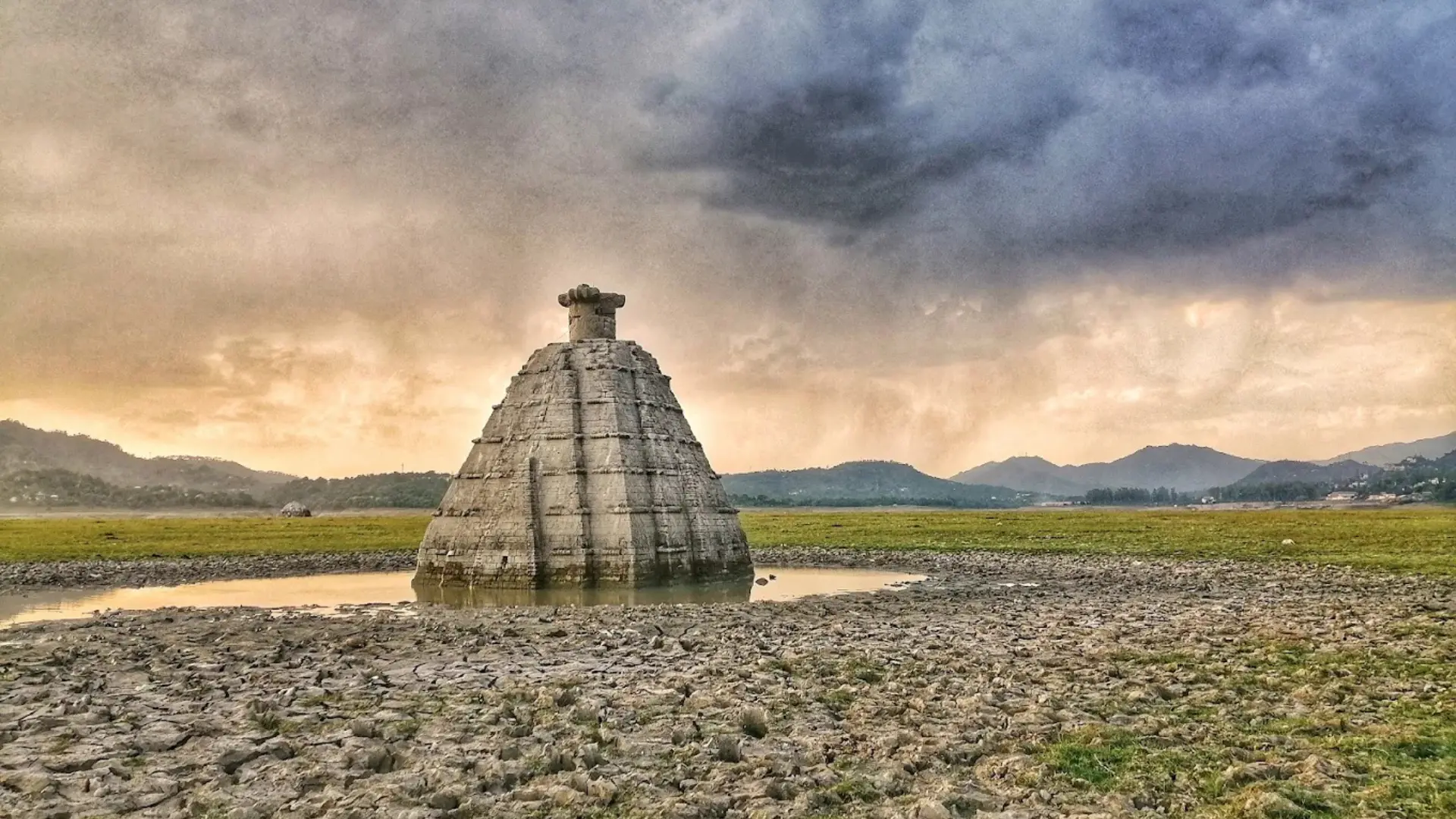
  • Submerged Temples
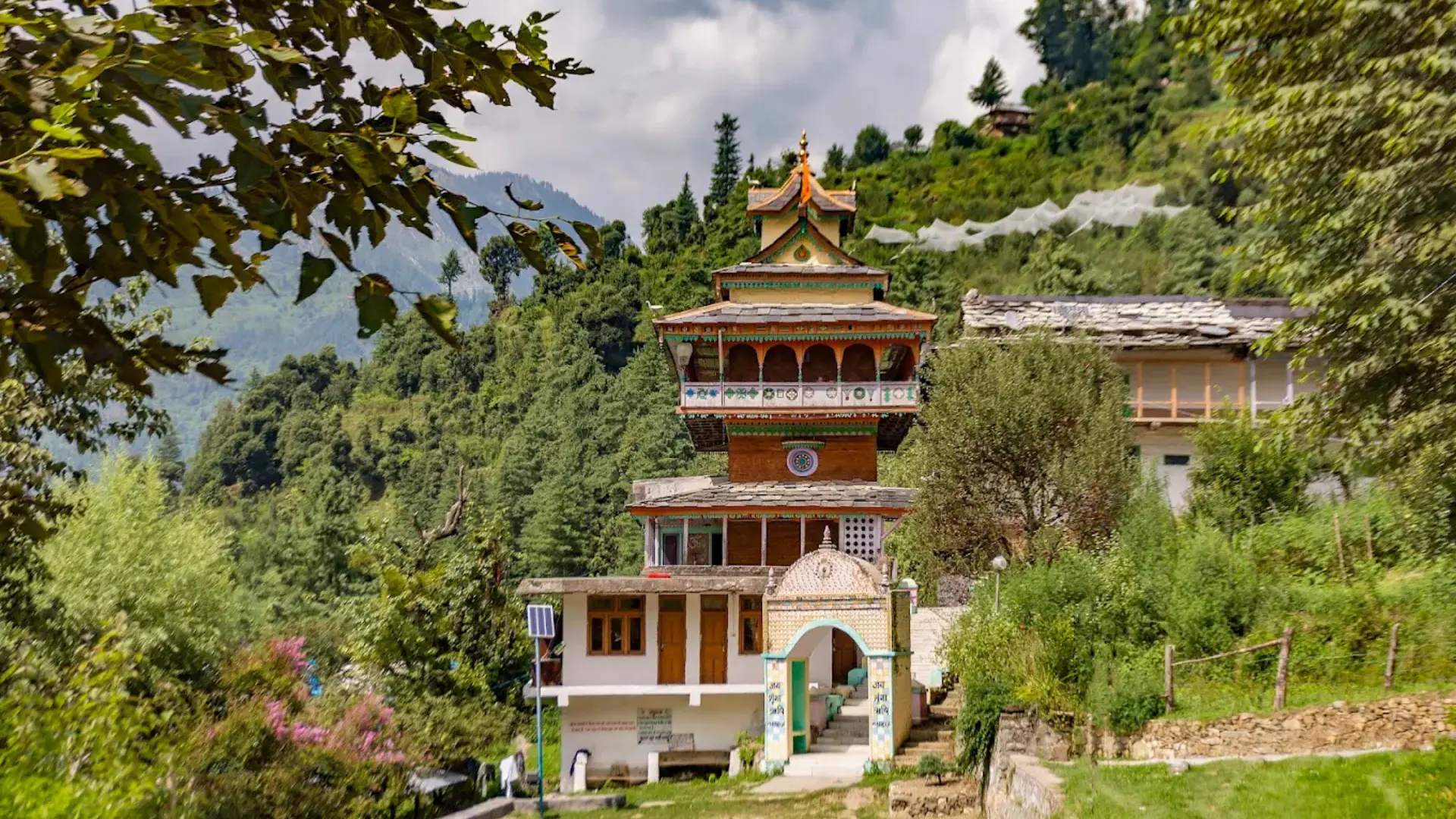
  • Shringa Rishi Temple
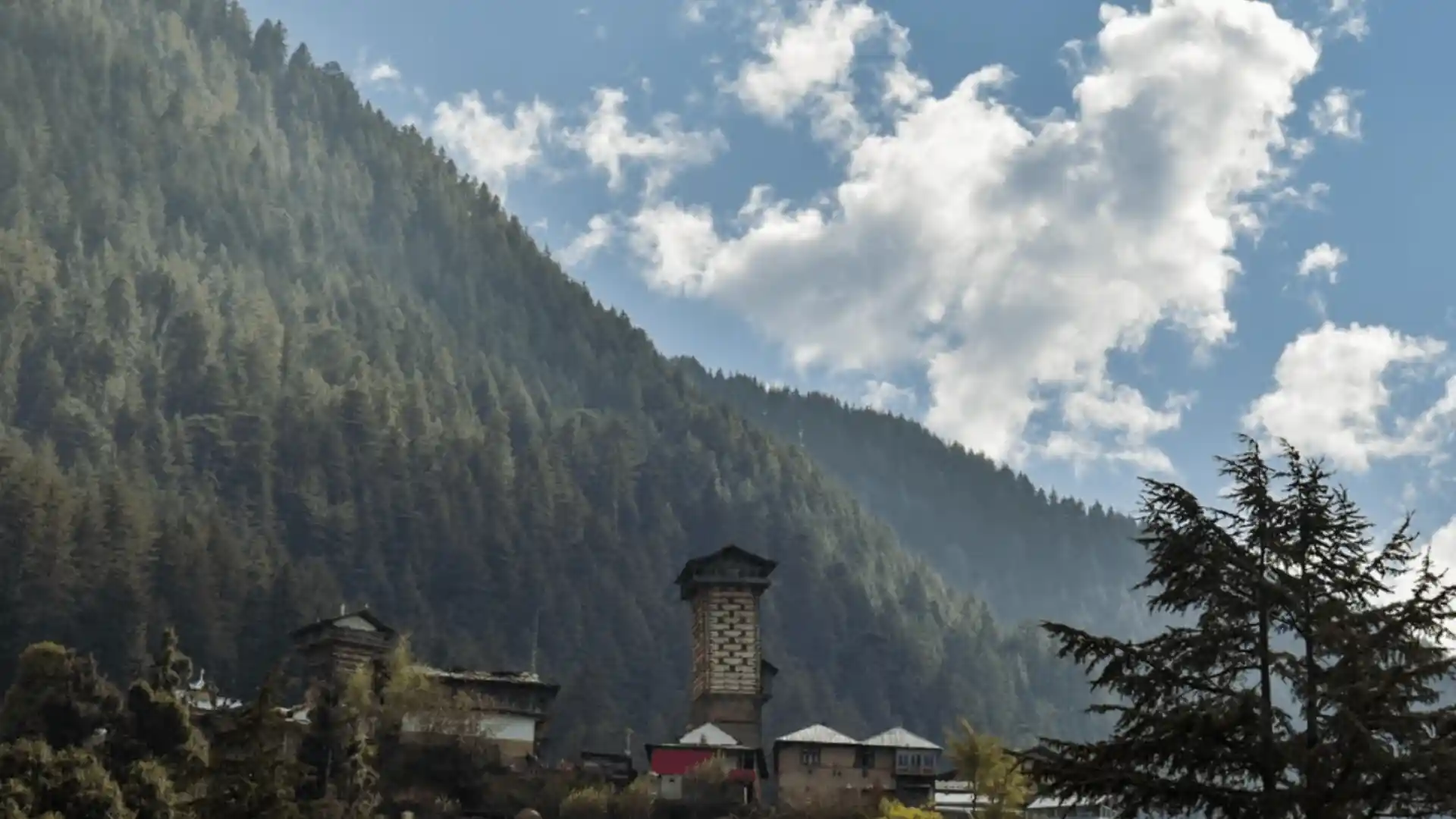
  • Chehni Kothi
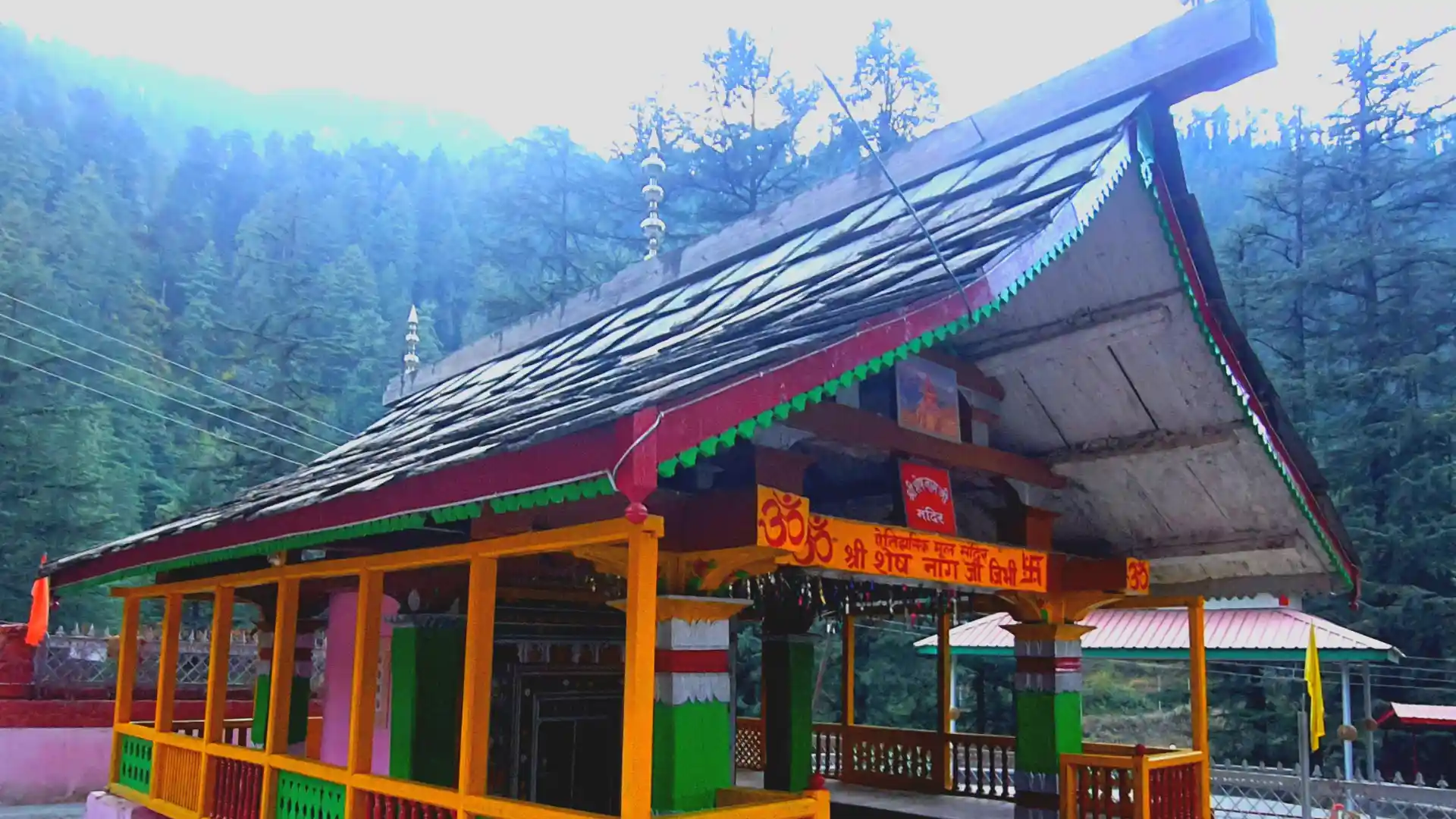
  • Shesha Naga Temple
  • Experience Saatha Jachh local festival of Jibih
  • Baseshwar Mahadeva Temple
  • Adi Brahma Temple
  • Gaurishankar Temple
  • Gayatri Temple
  • Shri Vashishtha Temple, Shri Rama Temple, Lord Shiva Temple
  • Hadimba Temple
  • Jagatipatt Temple
  • Vishnu Temple
  • Gauri Shankar Temple
  • Muralidhar Temple
  • Tripura Sundari Temple
  • Mahadeva Temple
We leave very early in the morning to Chandigarh airport and from there, to our destinations.
Pankaj Saxena - Hindu temple architecture

A scholar of Hindu temple architecture, Hindu arts and aesthetics. Having visited more than 1600 ancient temples all over Bhārata, he has documented photographic, historical, and oral evidence of the living traditions centered around the Hindu temple. He writes on the meaning and purpose of the Hindu temple in Hindu society and history, and has authored various articles on that topic.
The Temples

The Temples of kullu chapter bodha anveshi

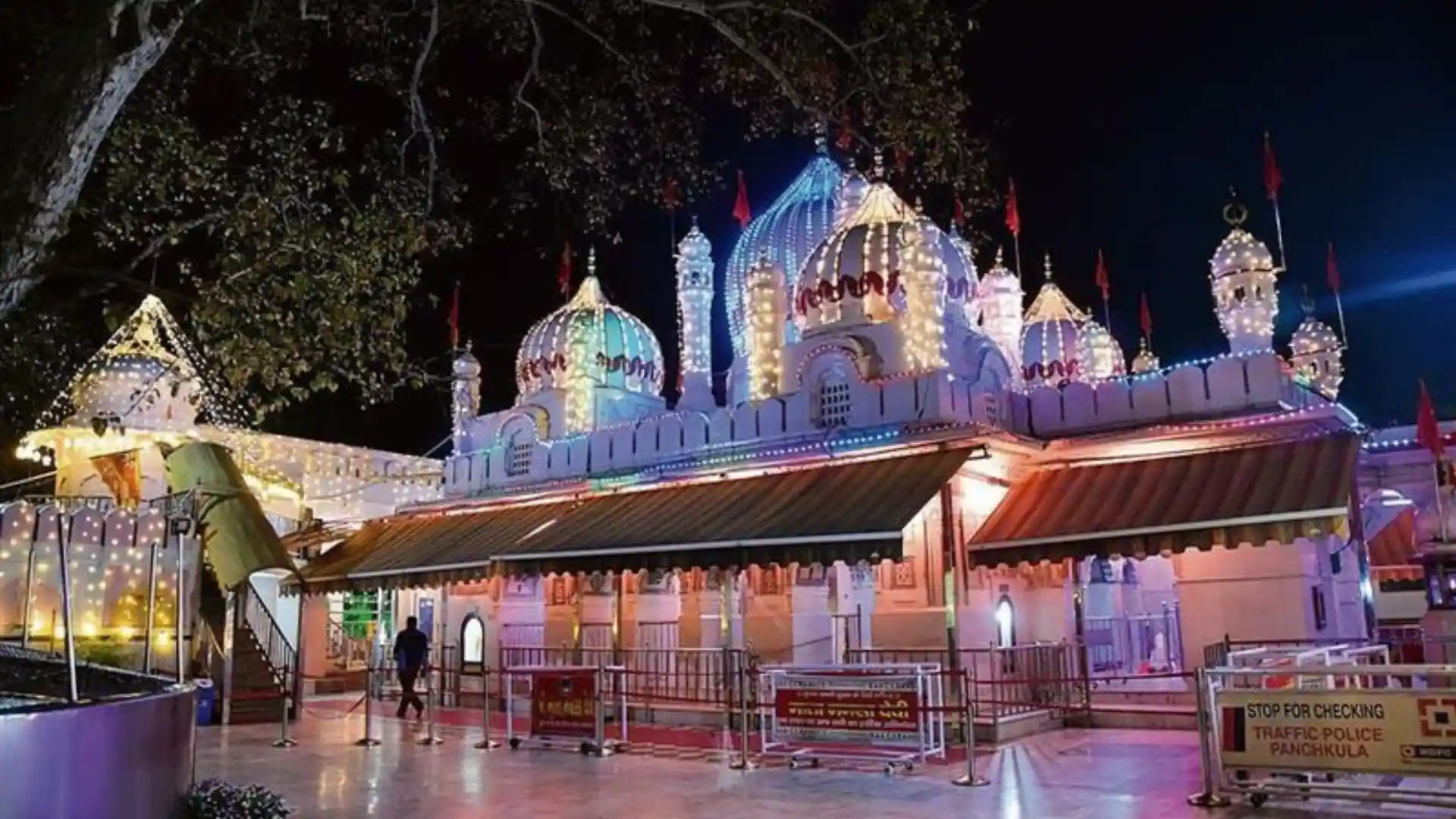
Mansa Devi, Panchkula

The goddess is fond of mountains, it is said. Coming to northern India, and particularly in Himachal, Uttarakhand and Jammu – you will find that this is verily true. As you climb the foothills of Himalayas from the plains of Punjab and Haryana, you come across the great Shakta temples of Himachal, sitting atop the hills and hillocks overlooking the great plains as if protecting the lands from any danger. There are many circuits of goddess temples in the north, sometimes grouped in seven and sometimes in nine. The temple of Mansa Devi, just outside the city of Chandigarh, is one of the first we encounter upon approaching the hills. This is where the head of Goddess Shakti is said to have fallen. Built in the early 19th century by Maharaja Gopal Singh of Manimarja, this temple is dedicated to that form of Shakti which fulfills all the wishes of her devotees.

Naina Devi

The goddess protects and it is natural that protection is most important at the borders. And so the foothills of Shivaliks are where most of the prominent Devi temples of Himachal are to be found. Naina Devi in the Bilaspur district of Himachal Pradesh is one of the most famous temples of the goddess in the mountains. Included in the Nau Devi circuit which also includes Vaishno Devi, lakhs of devotees frequent this place all year around. This is where the eyes of the goddess are said to have fallen. Overlooking the huge Gobind Sagar Dam, this temple is surrounded by pristine forests, providing it a perfect backdrop. The temple legend also tells how the demon Mahishasura wanted to marry the great goddess, and she replied that if he could overpower her in battle then she would marry him. But he was no match for the great goddess, who then took out the eyes of the demon while killing him, thus also attracting the praise ‘Jai Naina Devi’.

Submerged Temples, Bilaspur

These temples from 15th to 16th centuries now lie half submerged in the waters of Sutlej after the dam was built over the river. It is a telling commentary on how human development and progress always comes at a cost, and it is not a linear or one-way process with no downsides. Because everytime we decide to develop and progress in material terms, we make a choice. We choose between development for necessity versus comfort, or even luxury; and we also decide the cost worthwhile to be paid against the benefit of that development. Nothing is free in this universe, and even every development initiative has some natural and cultural downside – this is what these submerged temples remind us.

Shringa Rishi Temple, Banjar

Himachal is the land of rishis and it is not a metaphor. In most of the valleys, bugyals, mountain tops, and important points in this Devbhoomi, you will find a great temple dedicated to a great rishi of the Upanishads, Itihasas, and Puranas. The temple is built in the traditional Himachali kath-kuni style of architecture with slate-shingled roof. It is befitting too that these remote, hard to access, and absolutely peaceful places surrounded by dense forests and snowcapped peaks were perfect for concentrating in meditation. In this Kullu chapter of Bodha Anveshi, we will take you to the temple of Shringa Rishi near Banjar in Kullu valley. This temple is dedicated to the Shringa Rishi who did the Putra Kameshthi Yagnya for King Dashratha, after which he had four sons. He was a very pure rishi whose presence brought rains in places where it had not rained for a long time. He is also the guardian rishi of the Tirthan valley. It is befitting that a rishi known for his purity is also the guardian deity of a valley so pristine and pure in its natural beauty and serenity. In this Anveshi, we will witness a local festival being celebrated here.

Chehni Kothi

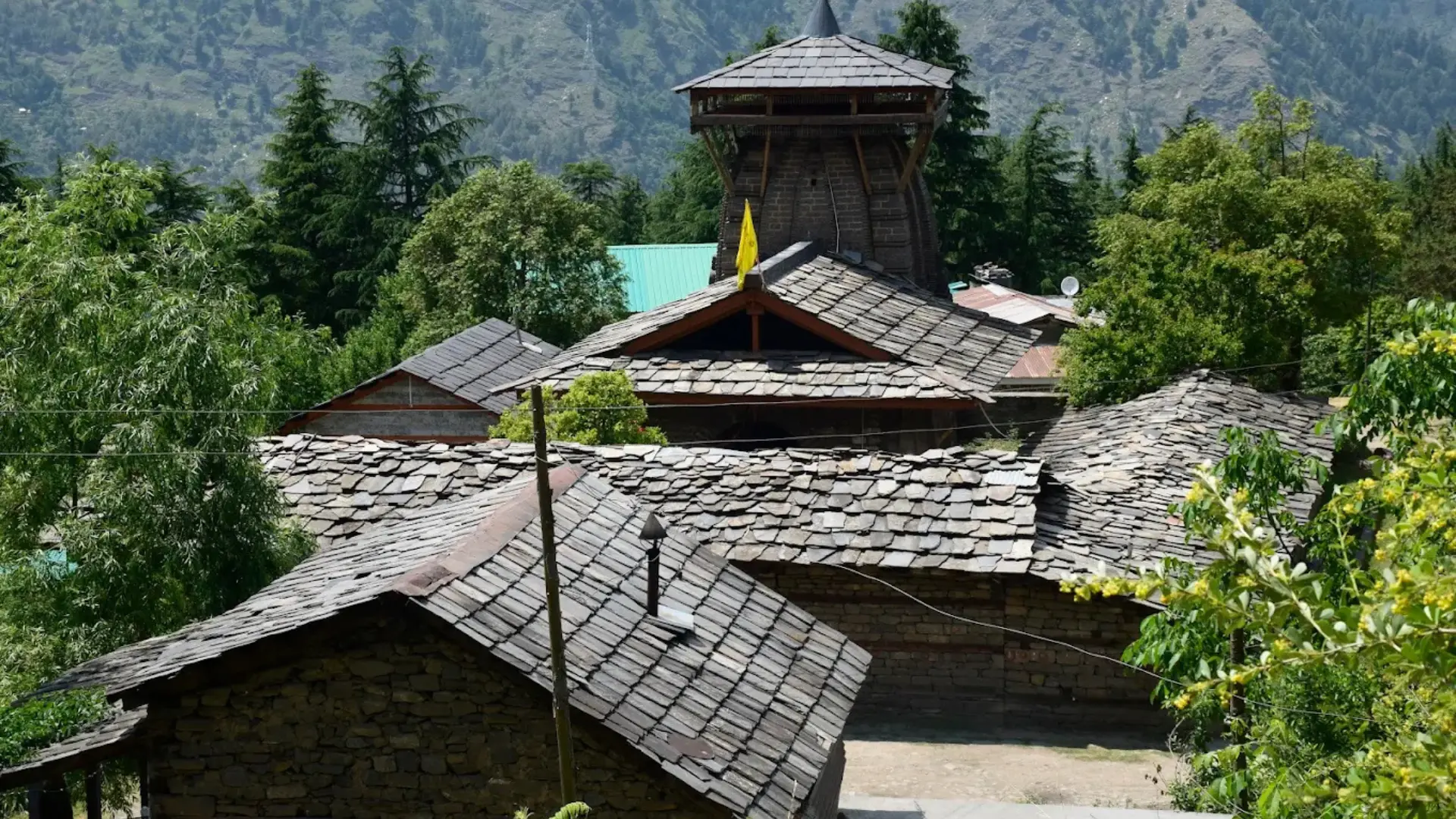
Chehni Kothi is one of the most intriguing mysteries among the temples of Himachal. Set against the densest deodar forests in the mesmerizing Tirthan valley of Himachal, situated in the quaint little village of Chehni, this temple is one of its kind. From the outside, it looks like a tower with a structure projecting at the top. The tower, which is five storeys high, has a temple in the top-most tier dedicated to the goddess Jogini, who is also the deity of the kshetra. However, outsiders are not allowed in the uppermost portions of the temple. Though the temple dates from the 17th century, it has withstood many earthquakes. It is said that in the 1905 earthquake, the top two storeys were knocked down. The kath-kuni architecture is a typical Himachali style in which the structure gets built with only stones and deodar wood, alternating with the pieces of rock and lumbar fitting into each other. The kath-kuni name itself comes from the wooden joints generally being in the corners. This architecture incorporates many storeys in the structure, with the lower storeys reserved for civil purposes and the upper storeys reserved for the temple functions. In areas where it snows heavily, this architecture protects its residents from frequent snow thaw and moisture; and in fact even the upper storeys remain snow-free, full of light and dry spaces.

Shesha Naga Temple, Jibhi

Naga worship is common all over India, but it is even more common in the hills where every town or village will have some naga shrines. From Kerala to Himachal, one finds shrines dedicated to snake gods and goddesses. Himachal is full of snake temples; and this one is dedicated to Shesha Naga, the famed vehicle of Lord Vishnu, on which he is in his deep sleep. Snake temples are common in India because snakes are considered the very symbol of kundalini in our body. The coiled serpent is the kundalini, and when the snake rises from the base unraveling the coils, this represents the kundalini awakening and the rising of consciousness. Shesha Naga is the bed on which Lord Vishnu, the very representation of Supreme Consciousness, rests; and it is thus the kundalini of all kundalinis. This is the importance of the Shesha Naga temple located at the centre of Jibhi, the quaint little Himalayan town in Kullu district. The temple is small but serves as the sacred and social center of the whole town. It overlooks the small town that is surrounded with high deodar trees, under the shadow of extremely high mountains. Here in this temple, we will also witness the Saatha Jachh festival.

Baseshwar Mahadeva Temple, Bajaura

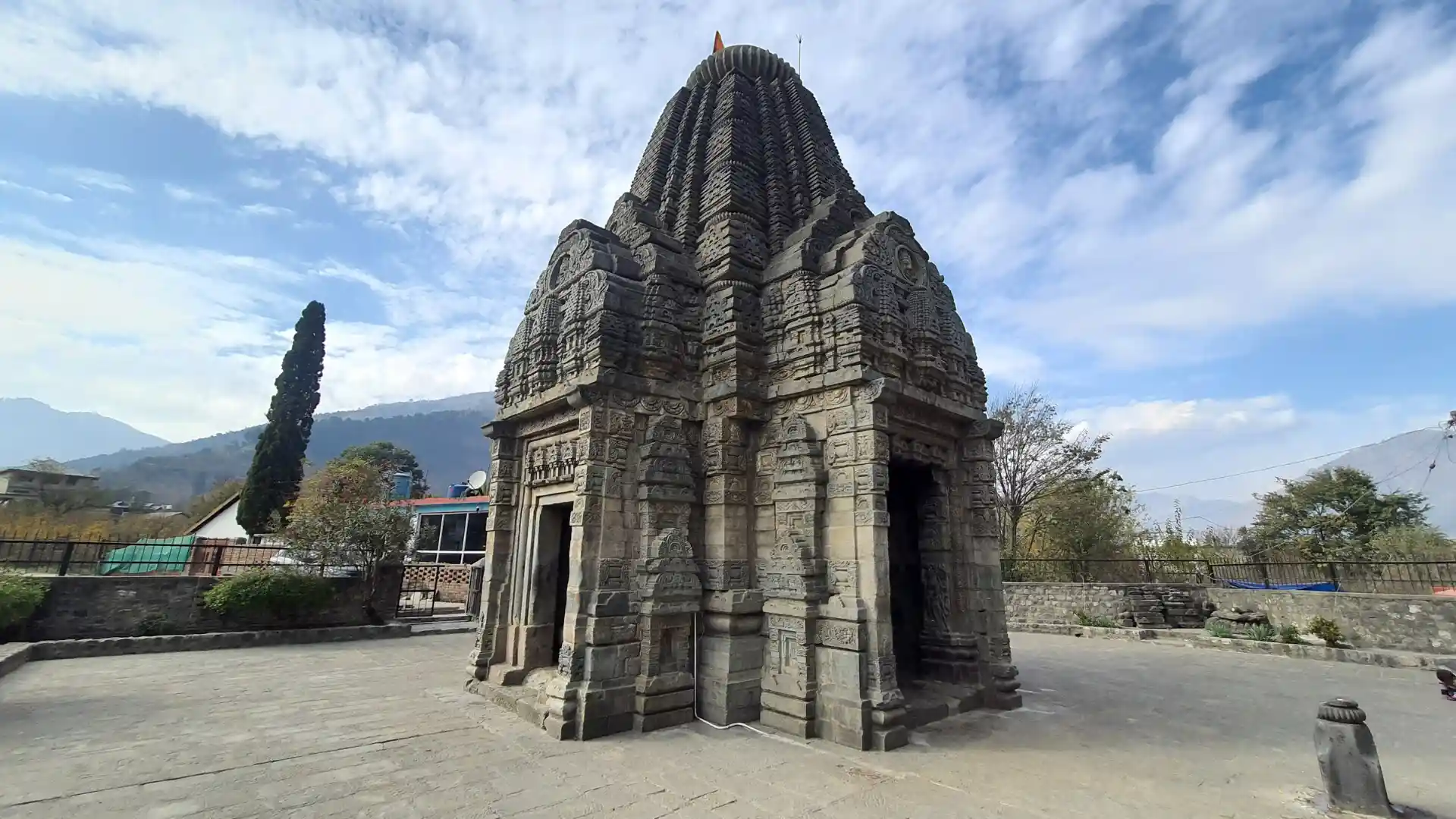
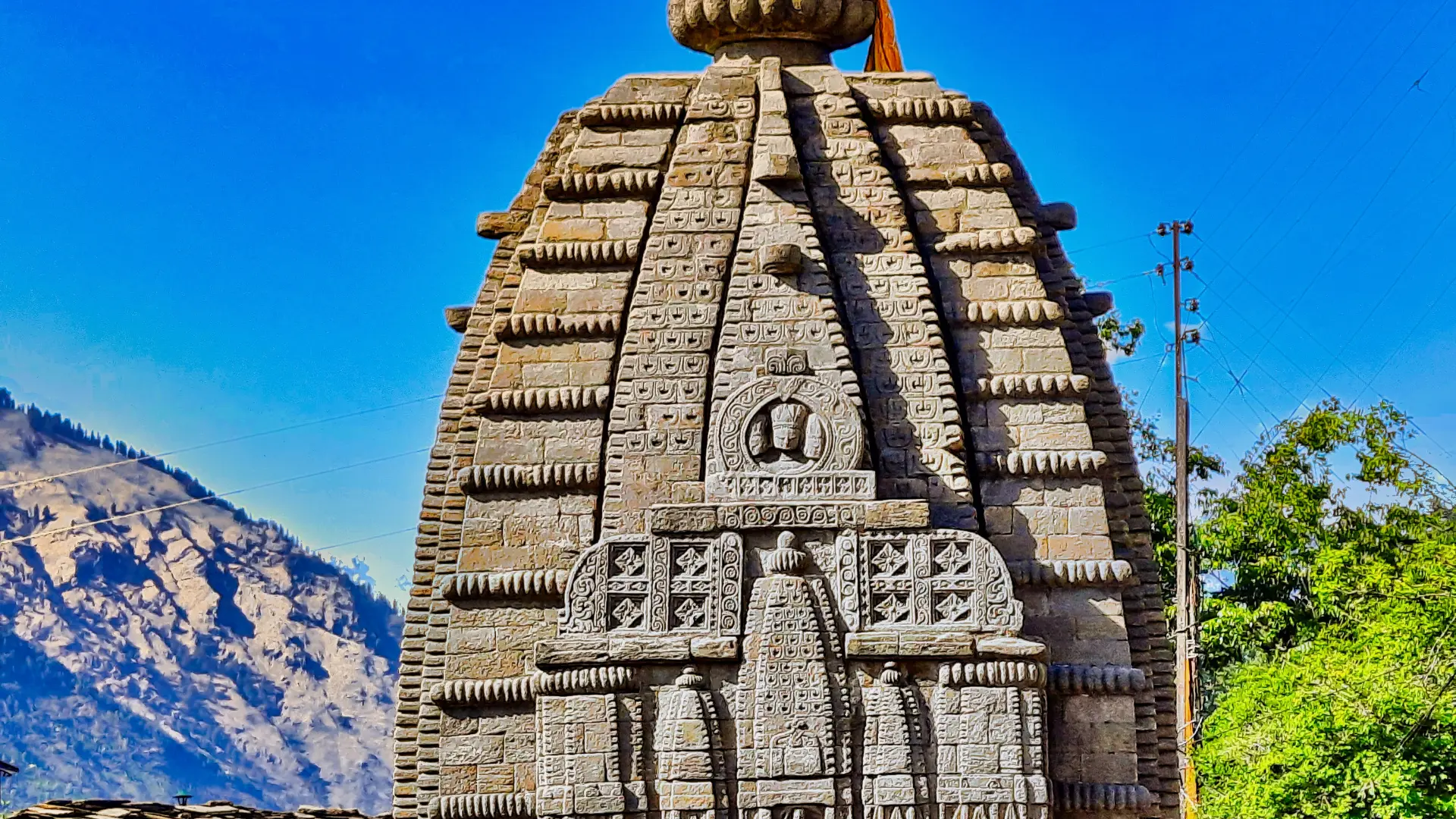
This is one of the most exquisite temples in all of Himachal Pradesh, as it is built entirely in stone, in the classical nagara style. Constructed in the 9th century, under the patronage of the Gujara-Pratiharas, and following the instructions laid down in Vishnudharmottara Purana, this temple represents the maturing of temple architecture in the hills. Situated on the banks of the river Beas, this temple once used to be on a busy mountain highway leading up to the Tibetan plateau. While most other stone pahadi temples are less intricate in sculpture than their counterparts in plains, this one rivals all of those. With a beautifully carved latina shikhara, this temple is also a very rare false sarvatobhadra type. In the case of a true sarvatobhadra, there are entrances on all four sides of the structure. In this temple, three of the sides only look like entrances, but are actually bhadra niches with deities placed in them. Just the eastern entrance is the real one, leading to the garbha-griha which has a Shiva Linga consecrated inside. The walls are beautifully carved with the corners and shukhanasikas most beautifully done.

Adi Brahma Temple, Khokhan

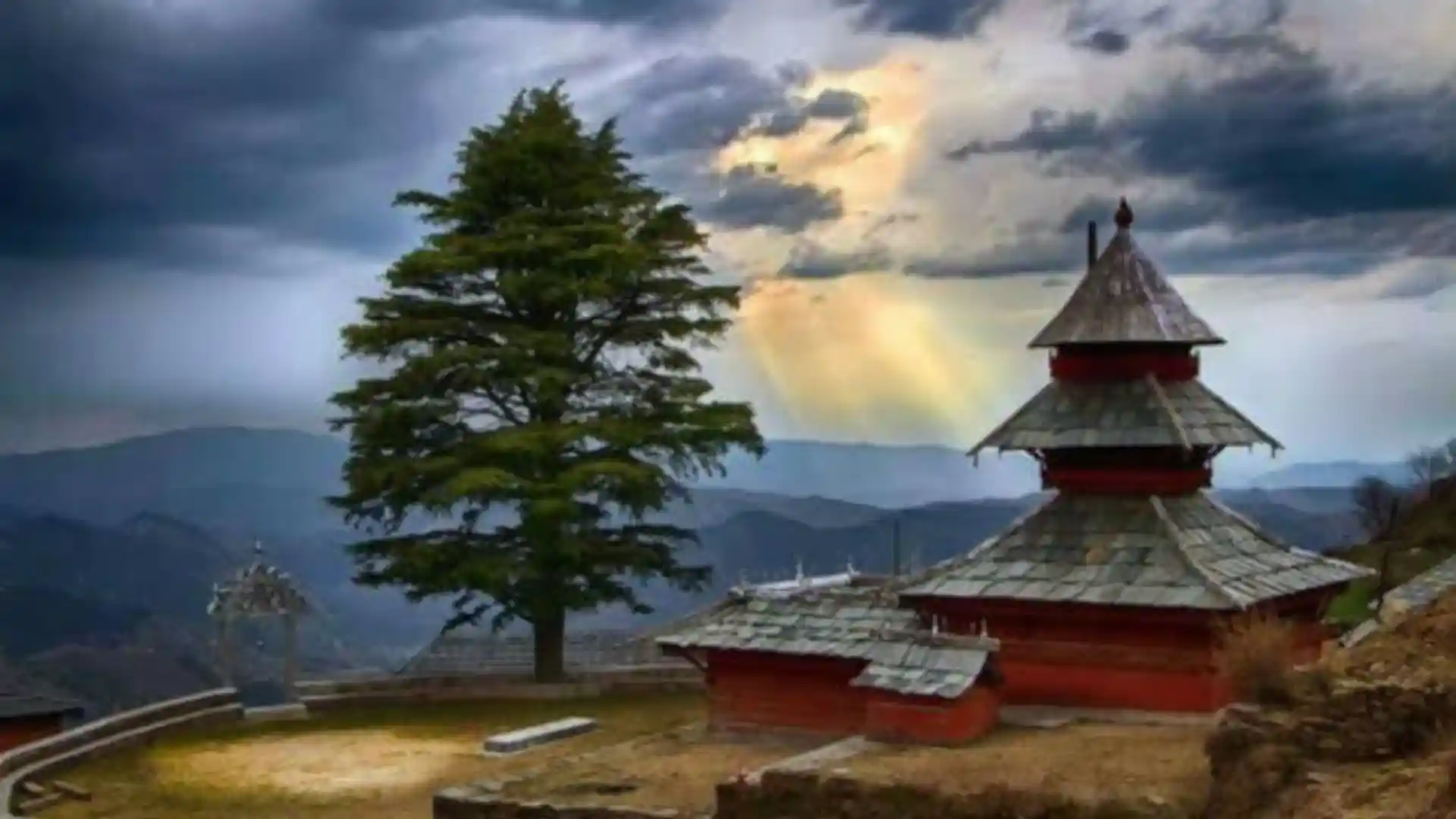
It is said that there are no temples dedicated to Brahma, perhaps only one, at Pushkar. But actually, all over India there are a few temples dedicated to Brahma, and many of them are in Himachal. The legend of the Shiva Purana, where Brahma is cursed by Shiva for lying to have found the end of Shiva – this legend has contributed to the fact that there are so few Brahma temples today. This Khokhan temple is not only one of those few, but also one of the most beautifully built wooden temples of Himachal. Built in the Himachali pagoda style, it has four layers of pagodas, with slated, gabled roofs. What is most breathtaking is the setting of the temple, in the midst of a quaint little Himalayan village, with mountains as the backdrop and beautiful, terraced fields all around and the Beas river. Kullu town is visible in the distance. The temple is a 15th century creation over the debris of an earlier stone temple, which seems to have been completely destroyed with only some remains found inside the existing temple.

Gaurishankar Temple, Jagatsukh

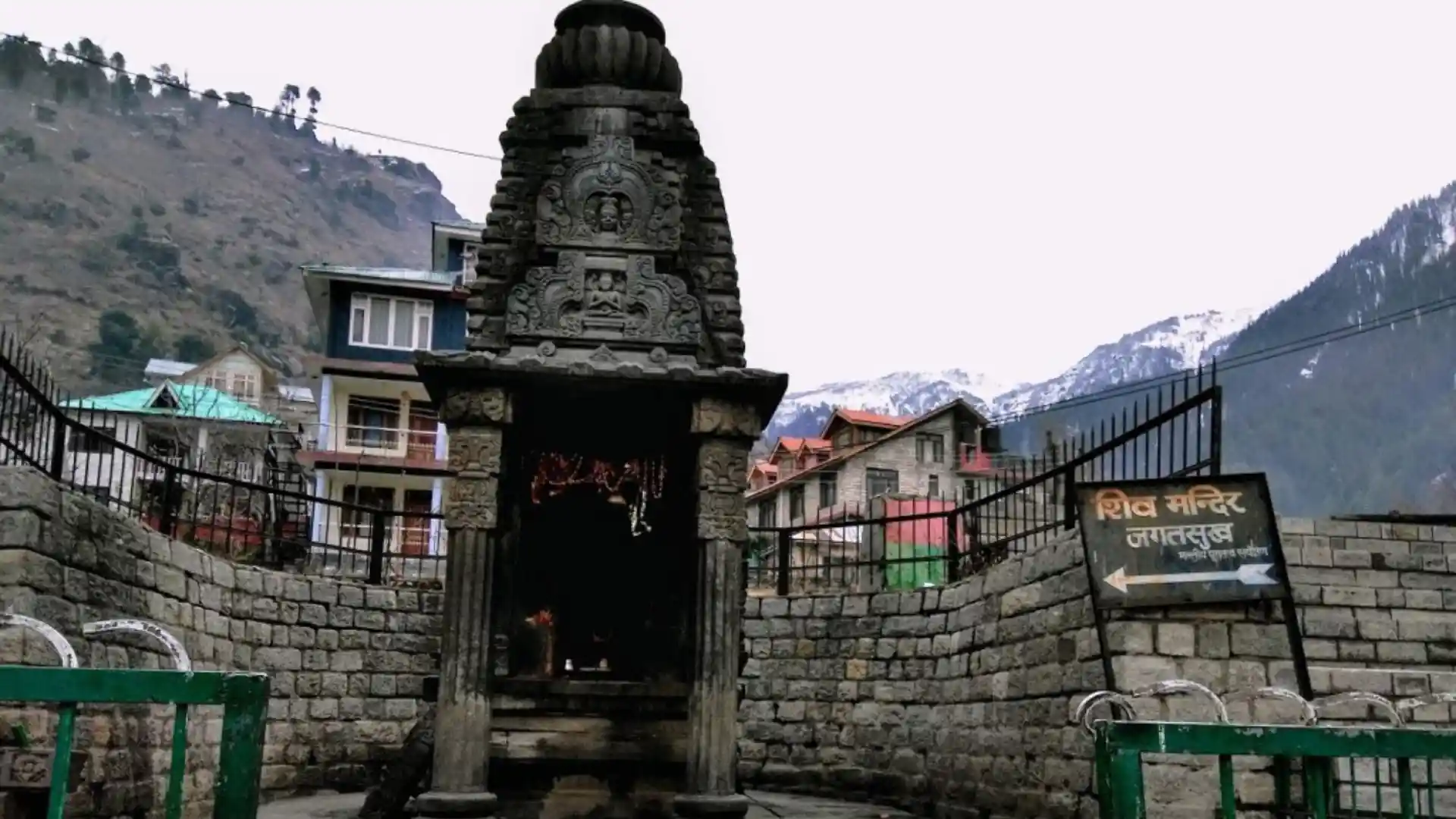
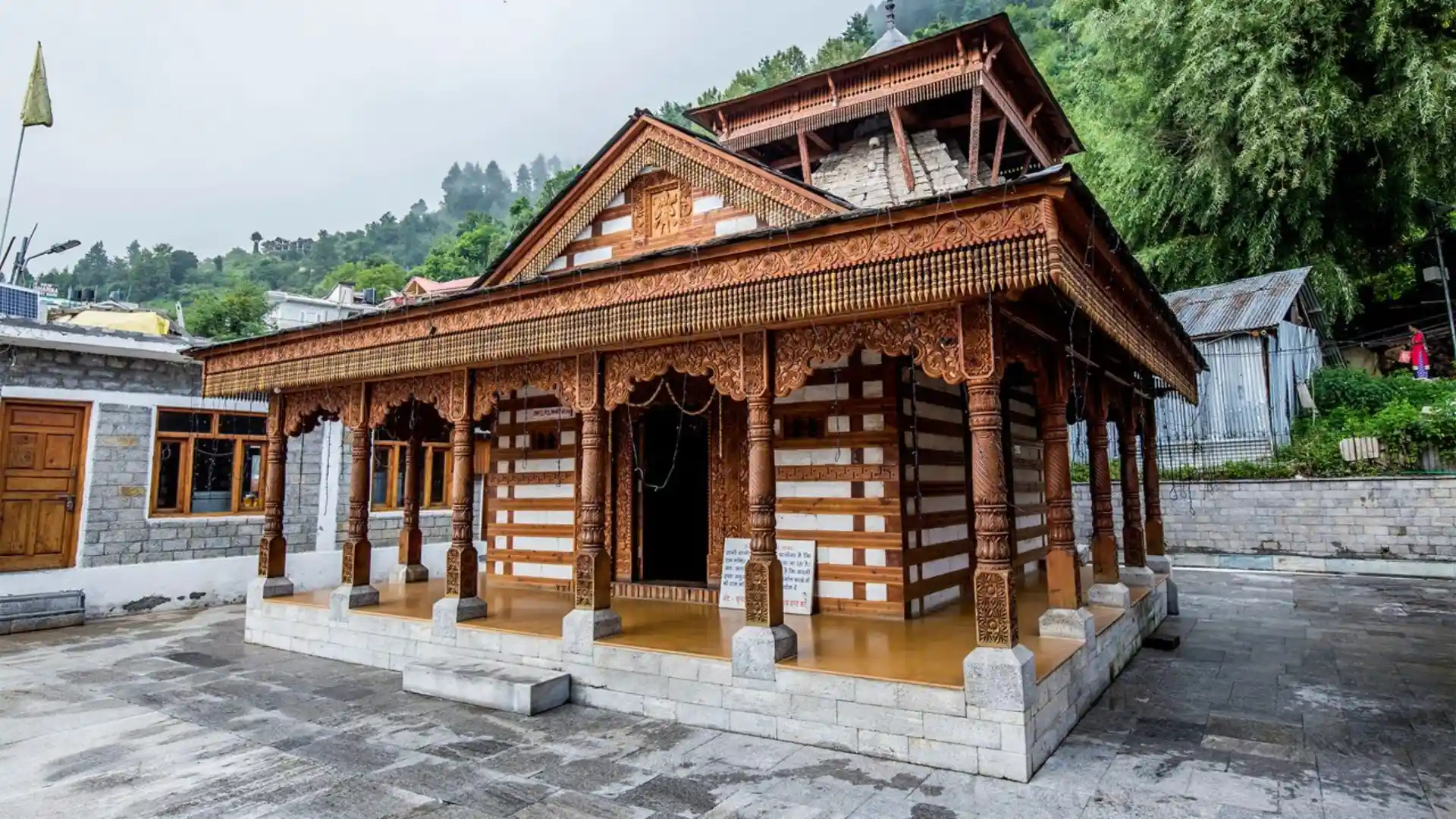
Once the ancient capital of Kullu, this is now one of the largest villages of the Kullu valley. Though the ancient glory seems to have disappeared, some of the ancient temples are still to be found here in this town, one of the most prominent of which is this Gaurishankar temple. Built in the Himalayan pent-roofed style architecture over a stone temple core, this temple is dedicated to Lord Shiva. As with many other places in Himachal, this place is fabled to have been visited by the Pandvas during their agnyatavasa, and they purportedly came to the temple and worshipped here. The snow capped peaks and deodar jungles all around give it a beautiful and serene backdrop, adding to the quiet beauty of this kshetra in one of the great Hindu centers of Himachal.

Gayatri Temple, Jagatsukh

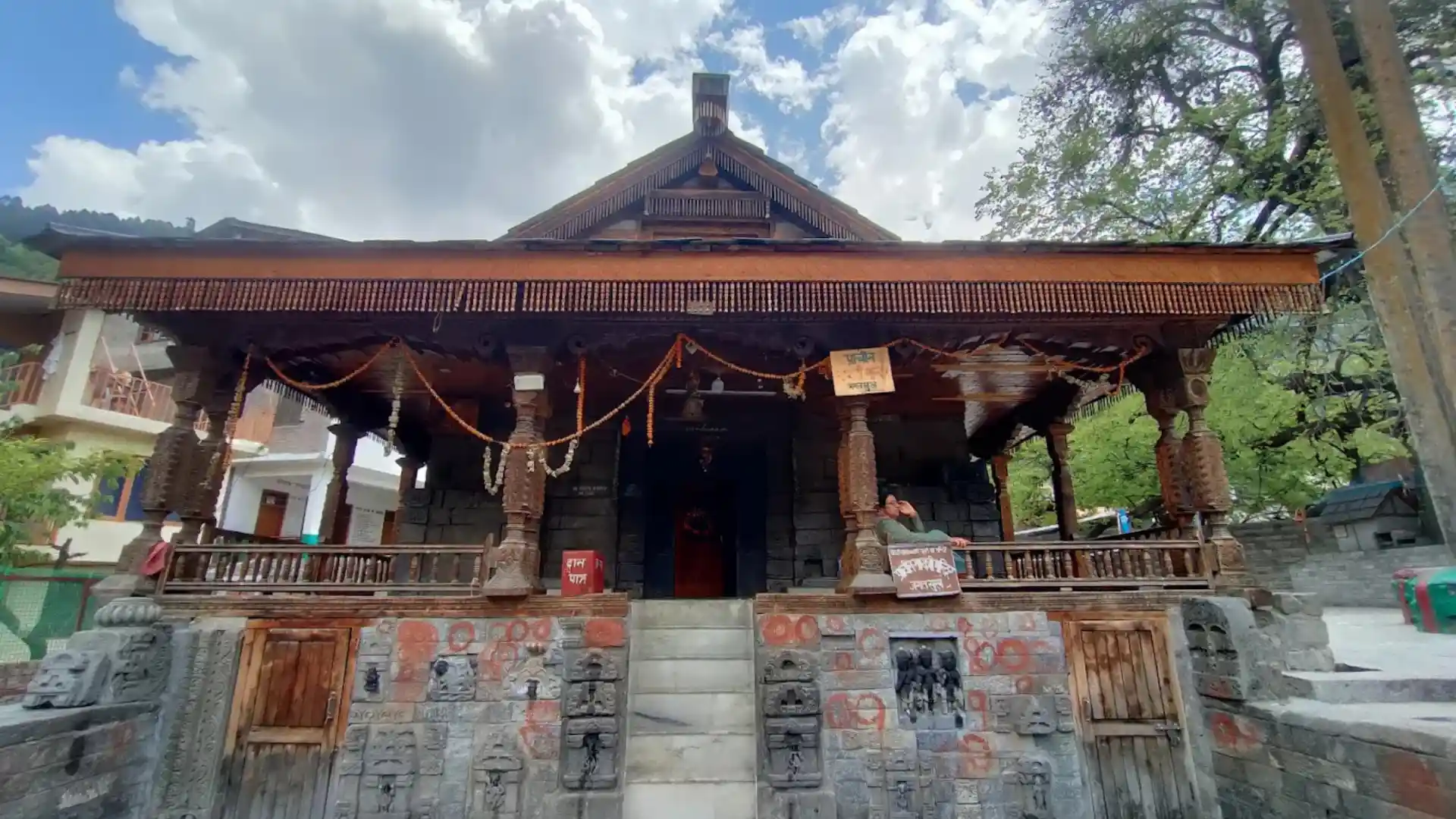
This temple near the Gaurishankar temple in Jagatsukh is dedicated to the Gayatri form of goddess Saraswati. The original temple is said to be built in the 9th century by Raja Jai Chand, though the current structure was renovated in the early 20th century. The temple is very special to the space, as Jagatsukh is one place today where Vedic learning has been a norm. To take the blessings of Gayatri devi, goddess of learning and wisdom, before embarking on the path of knowledge is a wise thing; and here in Jagatsukh this becomes very relevant. The temple is built in stone and wood architecture with the wooden sloping roof structure covering an internal stone structure, making it a blend of pahadi and plains architectural styles.

Temples of Vashishtha

Vashishth is a small village near Manali. Himachal is the land of great rishis of India and this place is called the place of the great Brahmarishi Vashishtha. It is thus connected deeply to the Itihasa Purana tradition of Bharatavarsha. The town has three main temples dedicated each to Vashishtha, Shri Rama, and Lord Shiva. Of the three, the Vashistha temple is the most famous, telling of the importance given to great rishis in the Devbhoomi of Himachal. Rishi Vashishtha is supposed to have done tapas here for many years. The town is also the center of the great natural springs, which flow through the town near the temples. It is the reason lakhs of devotees get attracted to this place, as the natural springs are supposed to cure many diseases. Combining both natural and cultural beauty, this village showcases that glory which Hindu cultural philosophy can bring into the social life of a place.

Hadimba Temple, Manali

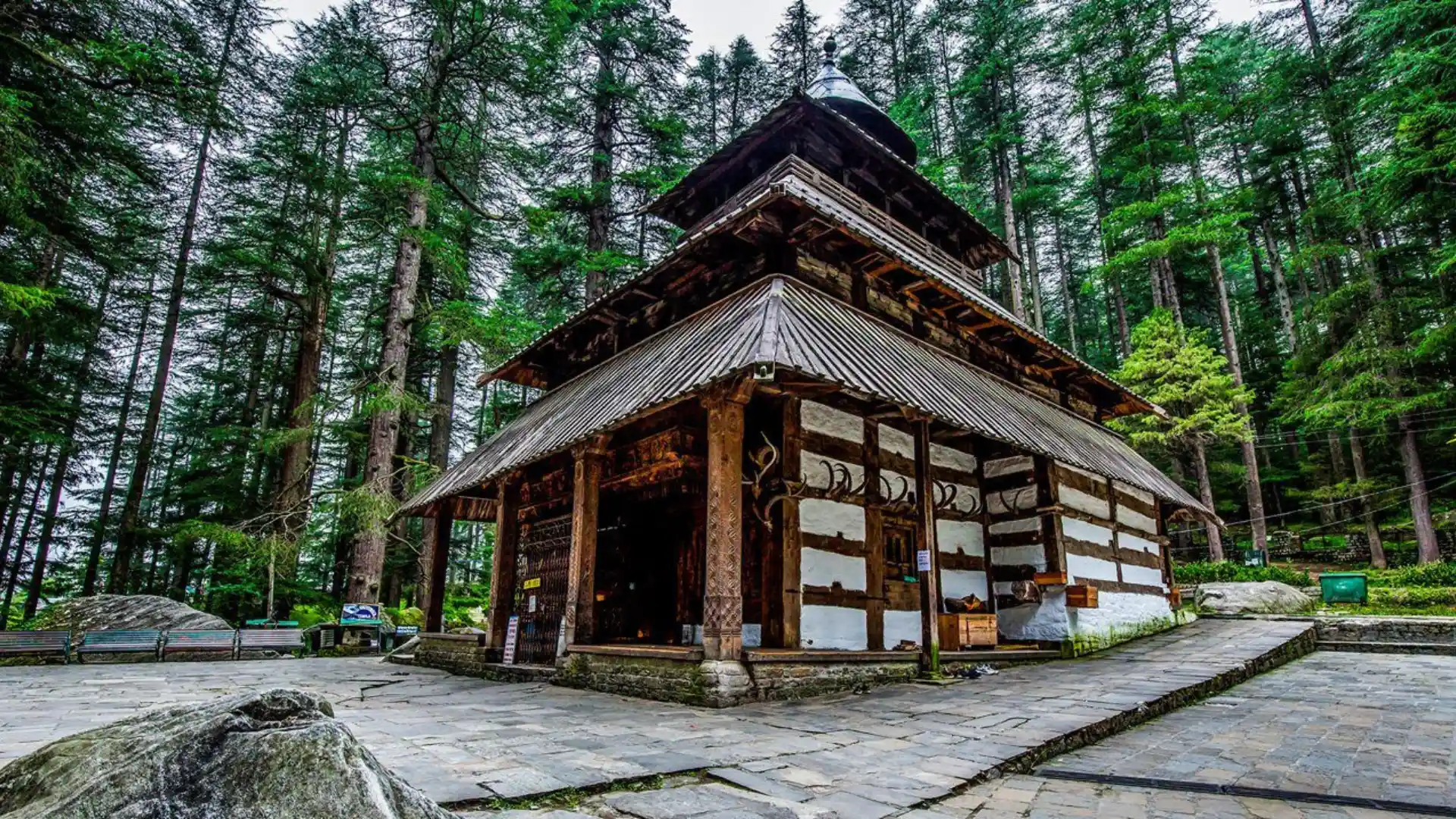
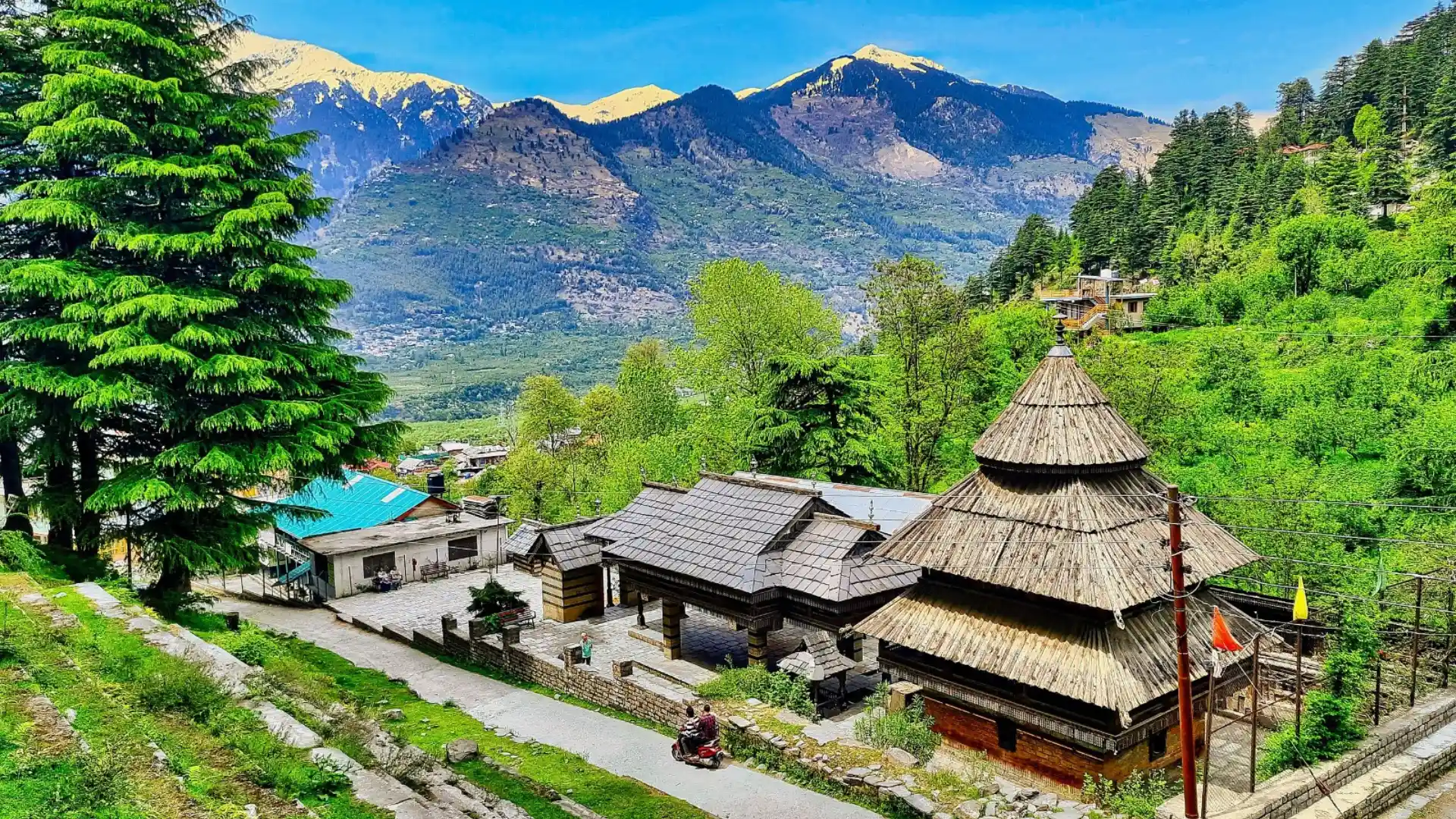
Himachal at large is a land saturated with the stories of the Mahabharata. Known as the place where the Pandavas visited during their exile, the incidents of the great epic crisscross the state’s geography and temples. In fact, it is Himachal where Bheem met Hidimba and they had a son named Ghatotkacha. The world-famous Hadimba temple in Manali is dedicated to her. It is also a testimony of how the Hindu universe is capable of worshipping even what are considered as asuras, if their karmas are good. Hindus do not attach permanency to ethnicity or birth. This temple is a testimony of that. Built in the pahadi pagoda style architecture, it has three layers of square canopies topped by a conical shikhara. The temple sits on a natural rock jutting out of the deodar forest on its own, and is worshipped itself as a deity. The current structure was built by Maharaja Bahadur Singh in 1553 CE, but the place itself was also worshipped as a deovana much before that. Specifically, there is a sacred grove which was worshipped on its own before any building was constructed here. In our tradition, a natural clearing in a dense forest is worshipped as a sacred center, if it is considered as the brahmasthana of a forest where gods reside. The Hadimba temple, Manali is built on such a space.

Jagatipatt Temple, Naggar

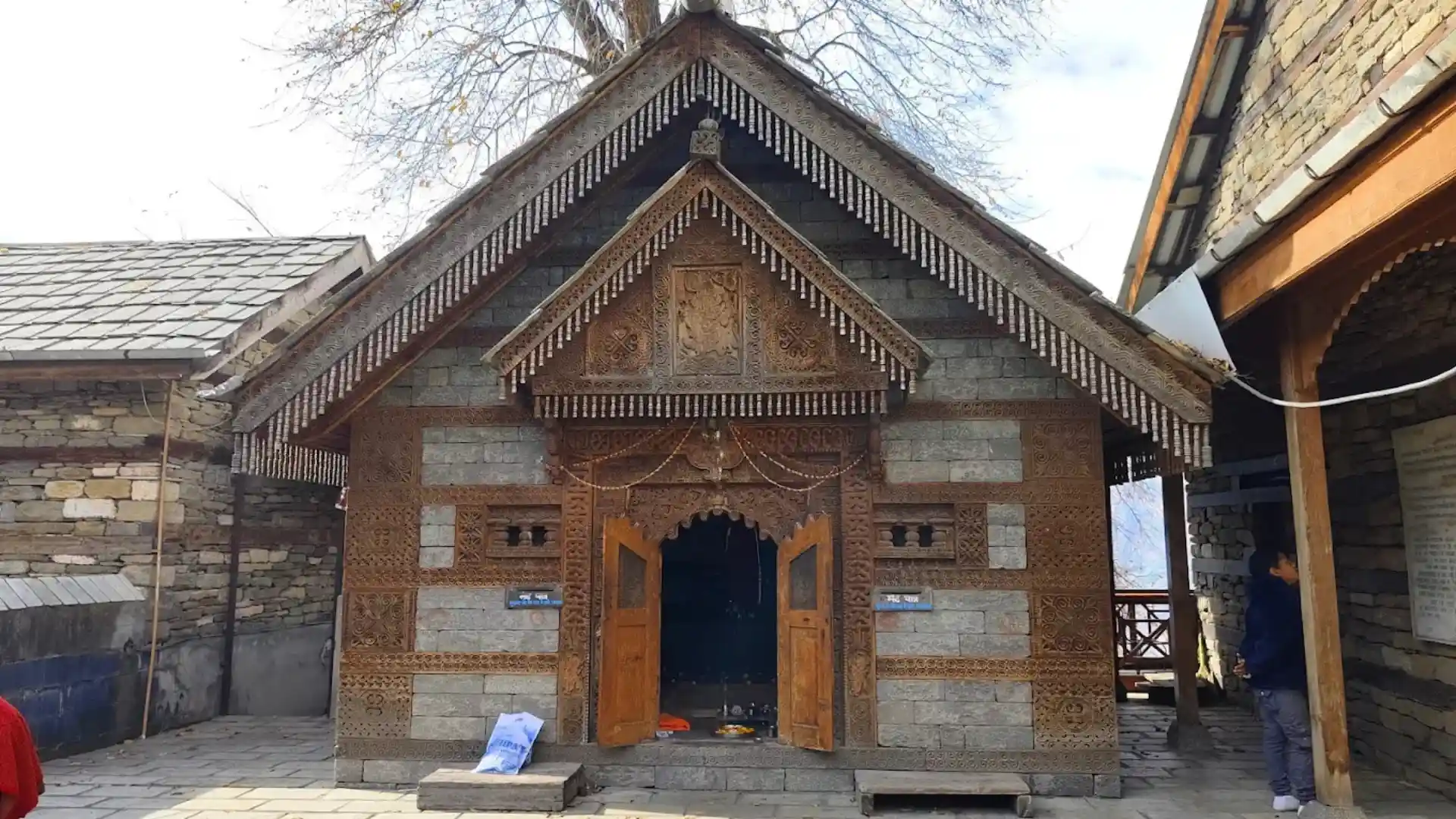
One of the most unique temples found all across the sacred land of Bharatavarsha, this temple is located inside the most exquisite Naggar castle, and is not dedicated to any single deity. It is not even dedicated to just two or three deities. It is a temple which is dedicated to all the deities, collectively, of Kullu valley. The temple sanctum contains a triangular stone which is said to have been brought from Deo Tibba (Mountain of deities) by divine bees. The temple is the spiritual seat of the region, where the eighteen deities of Kullu valley periodically gather through different mediums to discuss and arrive upon consensus. Alternatively the temple is also known as the collective seat of the crores of Hindu deities inhabiting the region. It is unique in many respects. It does not house a single vigraha of any deity, and it is said to host many deities upon a platform – whether they are the three goddesses, the eighteen deities of the Kully valley, or the crores of gods and goddesses of Hindu cosmology – and it workships all of them without vigrahas in unity, displaying the breathtaking diversity in unity of the Hindu dharma.

Vishnu Temple, Naggar

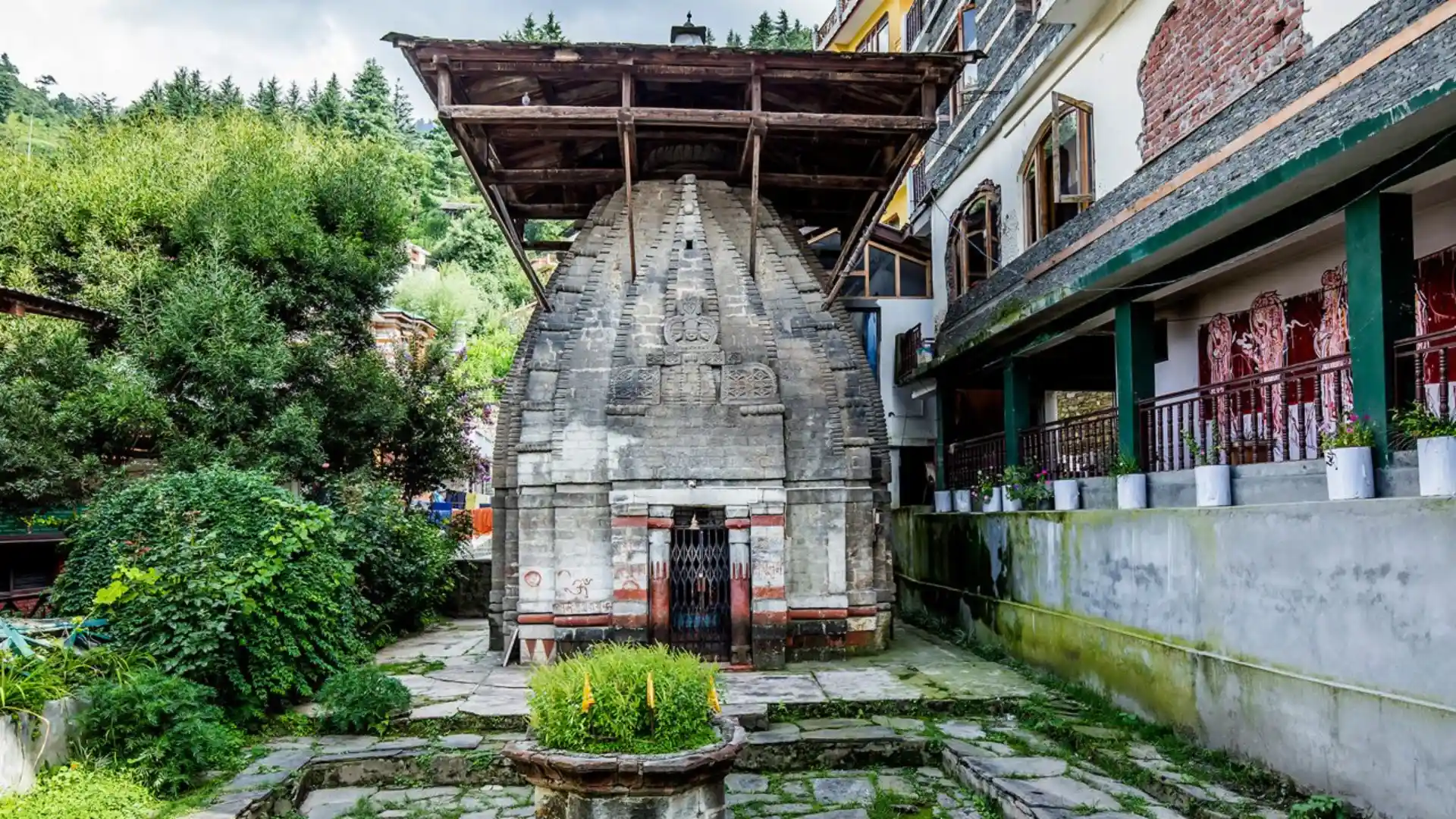
This tenth century temple dedicated to Lord Vishnu stands just behind the Naggar castle and down a steep path. One has to descend a few steps to get to the platform of the temple, indicating that it is a very old temple around which ground has risen over time. It is built in stone and has a very broad base, the broadest of its kind of temples in Naggar and Kullu. A latina shikhara rises over its jangha, but it does not rise very high. It squats low and broad, thus giving it a very unique look. Consequently, the wooden-and-tin canopy on it is also very broad. The garbha-griha houses a vigraha of Shri Vishnu in standing form. The shikhara itself is quite plain and resembles the submerged temples of Bilaspur.

Gauri Shankar Temple, Naggar

Dedicated to Lord Shiva, as the husband of Gauri, or the great goddess Shakti, this temple stands just below the Naggar castle. Built in 11th century, in classical nagara latina style, this temple stands against a breathtaking backdrop of the highest snowcapped peaks of the Himalayas. The temple is panch ratha in layout, and is topped by a small amalaka. The shukanasika is greatly articulated, with five latina shikhara urushringas (half shikharas) decorating it. The temple hosts many parts of other temples lying nearby, indicating that once there were many more temples in the surroundings – which are no longer to be found, probably destroyed in Islamic invasions. For example, there is a small temple just right in front of the main temple on an elevated platform. Maa Ugratara temple is also just nearby, showing how the space had always been a sacred complex with the presence of multiple deities.

Muralidhar Temple, Naggar

This temple located at one of the highest hills of Naggar is dedicated to the flute playing form of Shri Krishna. More than a thousand years old, the temple is built in stone, in classical latina nagara style, topped with a canopy to protect it from snow. Another false sarvatobhadra, it has bhadra niches on three sides, yet the deities in which are no longer to be found. The mandapa in pahadi style is a later addition. The garbha-griha has the vigraha of Shri Krishna along with Radha, Garuda, and Lakshmi Narayana. Maa Kali, Maa Lakshmi, and Maa Saraswati are also worshipped in pindi form in the temple. Sitting atop a very high hill, it has panoramic view of the Kullu valley, Beas river, and the adjoining snow capped peaks which are surrounded by a dense green of deodar forests on the sloping foothills.

Tripura Sundari Temple, Naggar

This exquisite temple, built almost completely in wood and dedicated to the great goddess Tripura Sundari, is straight out of a fairy tale. Built on the slope of a forested ridge, facing the Beas valley and the brilliant ranges of Himalayas, this goddess temple is a marvellous creation of our great ancestors. Goddess Tripura Sundari is the protector deity of the valley, and her presence sanctifies the entire place. The current structure was built in the sixteenth century by Raja Yashodhapal. The main temple shikhara rises in three tiers of pagodas, with two tiers of square pagodas and then topped with another conical pagoda at the apex. The legends dictate that the goddess took a spider form and spun the temple into existence. The mandapa of the temple continues in the pahadi style, and looks over to a torana which adds to the beauty of the temple. The temple lies in the path towards the Muralidhar temple at the top of the hill.

Mahadeva Temple, Dashal

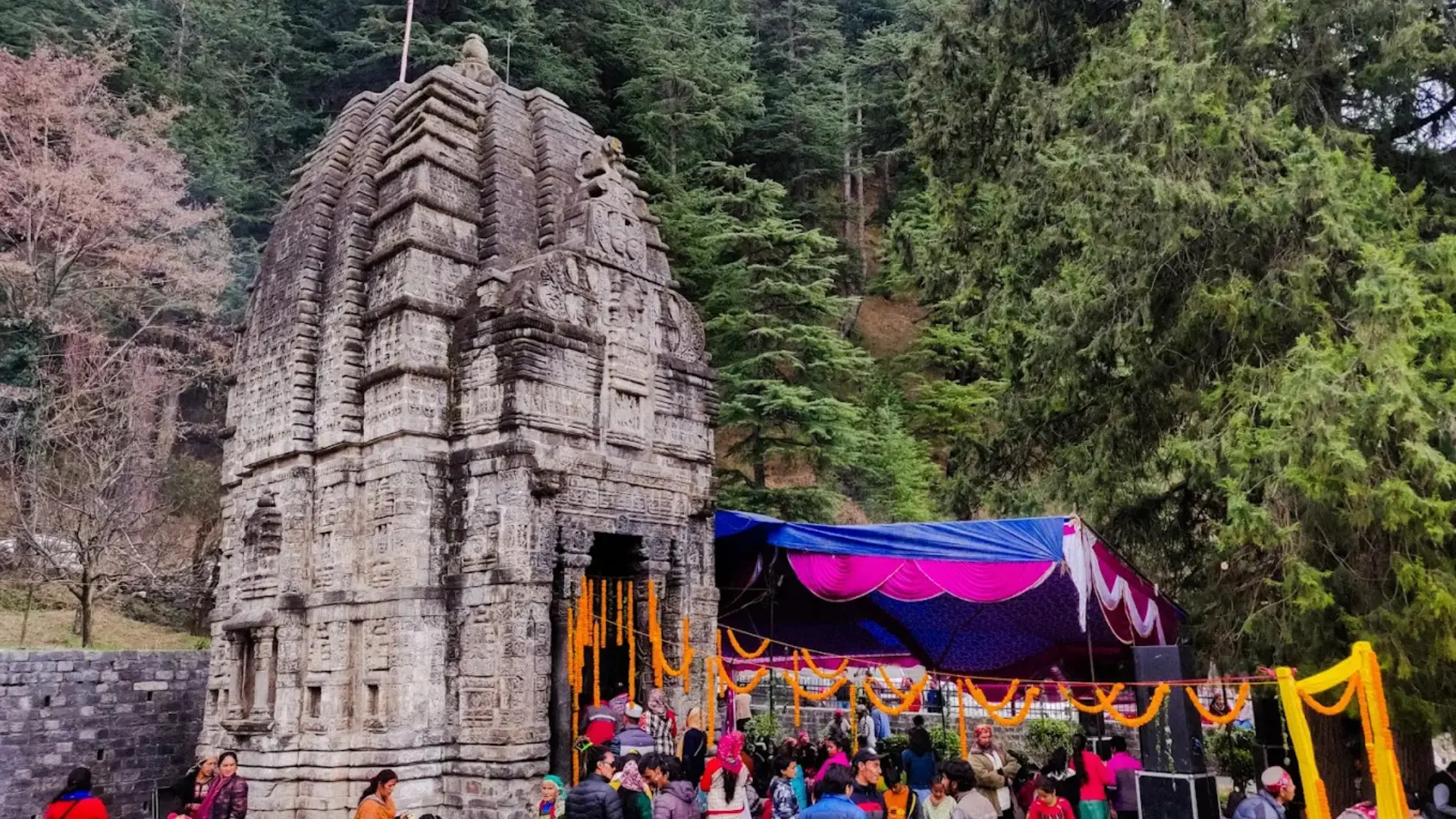
Himachal is Devbhoomi in more than one sense of the word. Many of its temples lie at the junction of nature and culture; where centuries old human villages and habitations exist; just abutting a great ancient deodar forest, where trees have not been cut ever, and some might even be many centuries old. This is a testimony to the co-existence of nature and culture in Hindu dharma, where centuries old habitation has not disturbed the delicate nature-culture balance. The Mahadeva temple at Dashal is such a temple. It is the last outpost of human beings, and just behind the temple, the dense deodar forest range starts where trees climb atop a hill in a steep ascent. The temple can be approached via a short trek through beautiful terraced fields, about one kilometre from the main road. The structure is built in stone in pure nagara style, complete with a latina shikhara, a pancha ratha plan, and an amalaka at the top. The temple boasts of some beautiful sculptures of Ganesha, Ganga and Yamuna amongst many others.