
Hampi is a tiny hamlet filled with heritage, with around 1600 monuments spread across the boulder landscape that has protected stories from ages past. It is a UNESCO World Heritage Site that carries the legacy not only of this era, but also traces of the Stone Age. Hampi flourished during the reign of King Krishnadevaraya, and today its remains include temples, institutional buildings, bazaar streets, gateways, wells, stepped tanks, and much more.
Though the historic town now stands in ruins, the scale of these ruins is so massive that they leave us imagining the true grandeur of the City of Victory. But this is no longer just imagination. Over the years, Hampi has been deeply researched, and Reminiscing History has been working to recreate and revive these lost spaces.
A special part of this journey is Reminiscing Hampi, a book that is also part of the yatra hosted by its author, Parnavi Bangar. More than just a travel guide, it acts like a portal into the past. Through transparent revival illustrations, the book brings the broken monuments of Hampi back to life using literature, architecture, and historical evidence.
This yatra is not just about visiting ruins; it is about discovering the lost Hampi, its architecture, culture, stories, and forgotten meaning. Everyone who sees the massive remains of Hampi wonders how beautiful and grand this city must once have been. In this yatra, we will not only imagine it, but experience it through storytelling. If you love history, mystery, and untold stories hidden in stones, this is the experience for you.
Arrive in Hampi before 1:00 PM
Check-in and lunch
Sightseeing Post Lunch:
Dinner
Breakfast
Depart for sightseeing at 9:00 AM
Lunch
Post-lunch 2:00 PM
Dinner
Early morning, 7:00 AM sightseeing:
Late breakfast and check out
Depart for the onward journey.
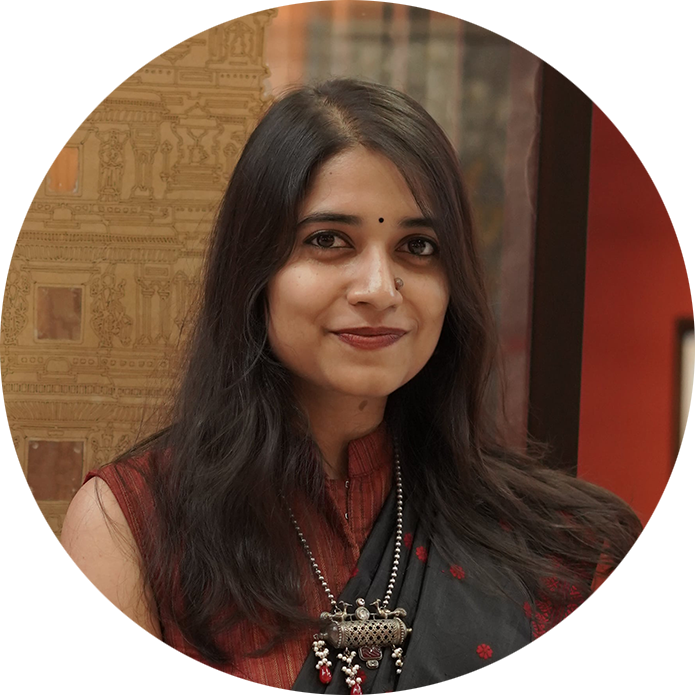
Reminiscing History Foundation is a research and conservation initiative founded by Ar. Parnavi Bangar. The practice focuses on digitally reviving lost and broken heritage through research-based illustrations, documentation, publications, and studies. The work has covered sites such as Hampi, Bhaktapur, Kashmir, Raigad Fort, Angkor Wat, and Ambernath. The approach is detailed in the research paper Reminiscing History: Reviving Lost Heritage and continues through publications like Reminiscing Hampi, exhibitions such as Living Temples, and curated heritage walks and immersive tours in Hampi. Her work has been featured by Humans of Hyderabad, published in multiple news features, included in the Council of Architecture magazine, and she has also spoken at TEDx.
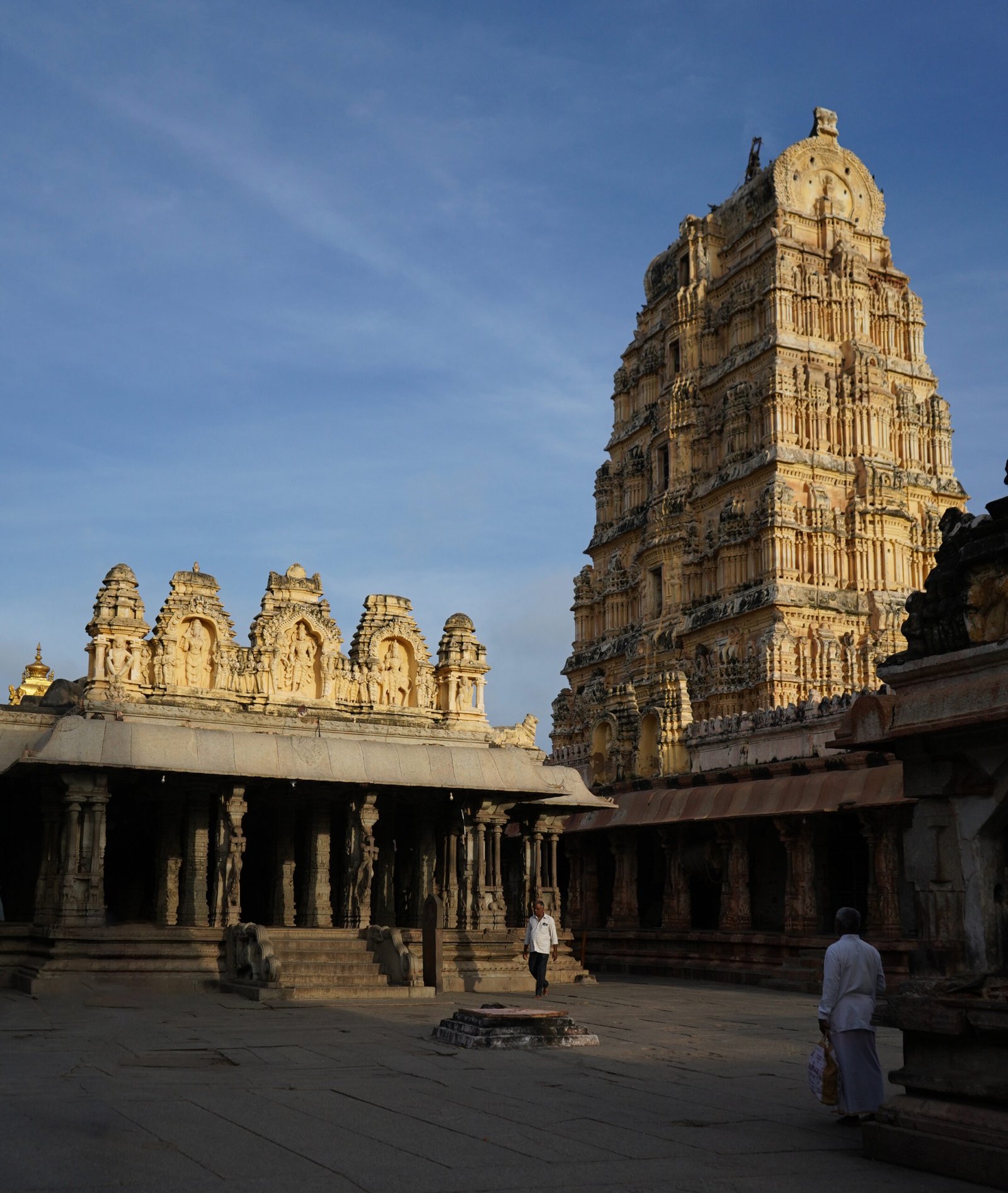
One of the oldest living temples in Hampi, the Virupaksha Temple is dedicated to Lord Shiva and stands gracefully on the banks of the Tungabhadra River. Built in the 7th century and expanded during King Deva Raya II’s reign, the temple still carries a strong spiritual energy. From ancient rituals to meeting Lakshmi the elephant, every visit feels unforgettable. If you visit during March or April, the grand Virupaksha Chariot Festival is a celebration you should not miss.
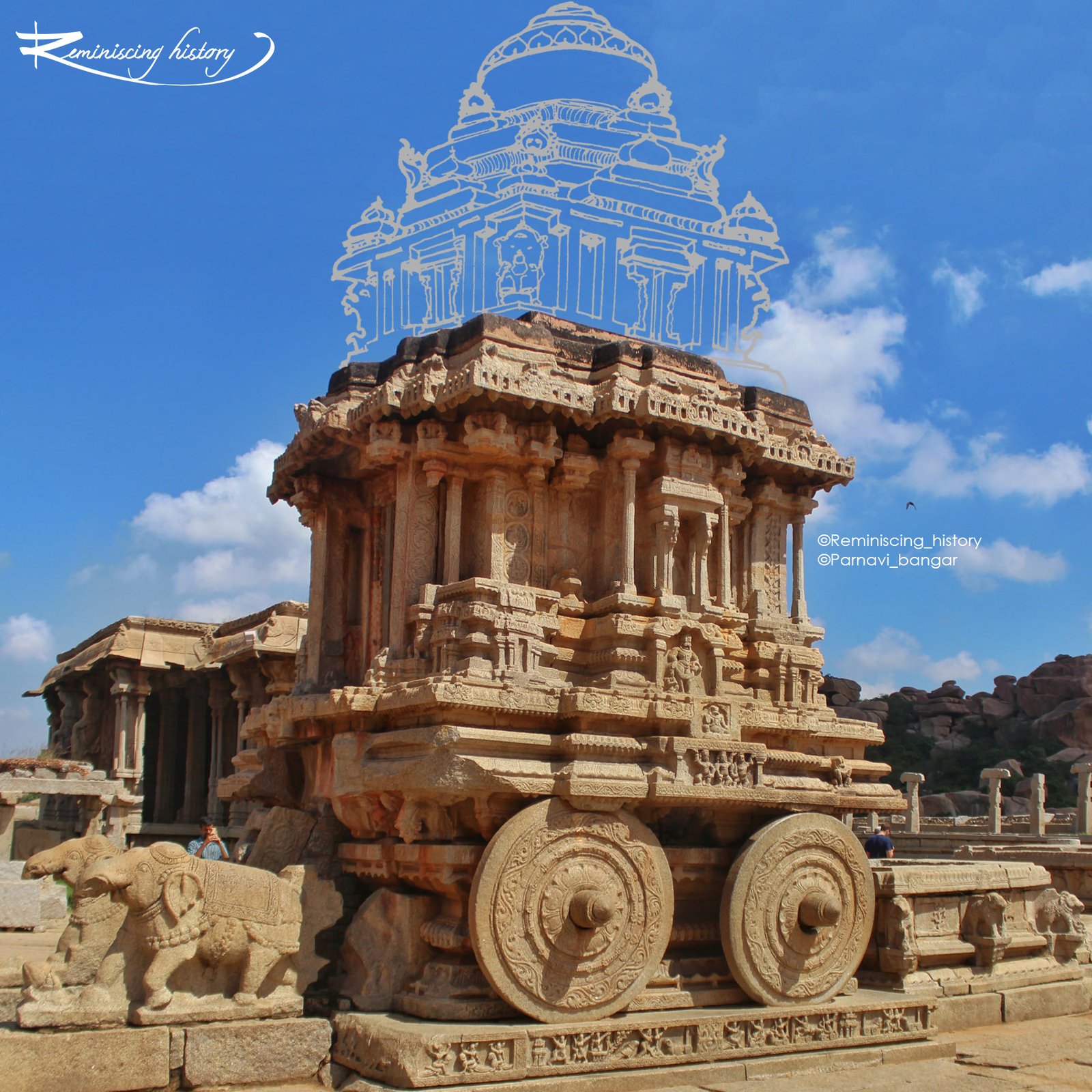
The Vijay Vitthala Temple is one of Hampi’s most iconic landmarks and a symbol of the Vijayanagara Empire’s glory. Built during King Krishnadevaraya’s reign, the temple is famous for its magnificent Stone Chariot and grand architecture. Even in ruins, the complex amazes visitors with its vast courtyards, mandapas, step wells, bazaar streets, and the famous King’s Balance. Every corner of the temple reflects the scale and brilliance of Hampi’s golden age.
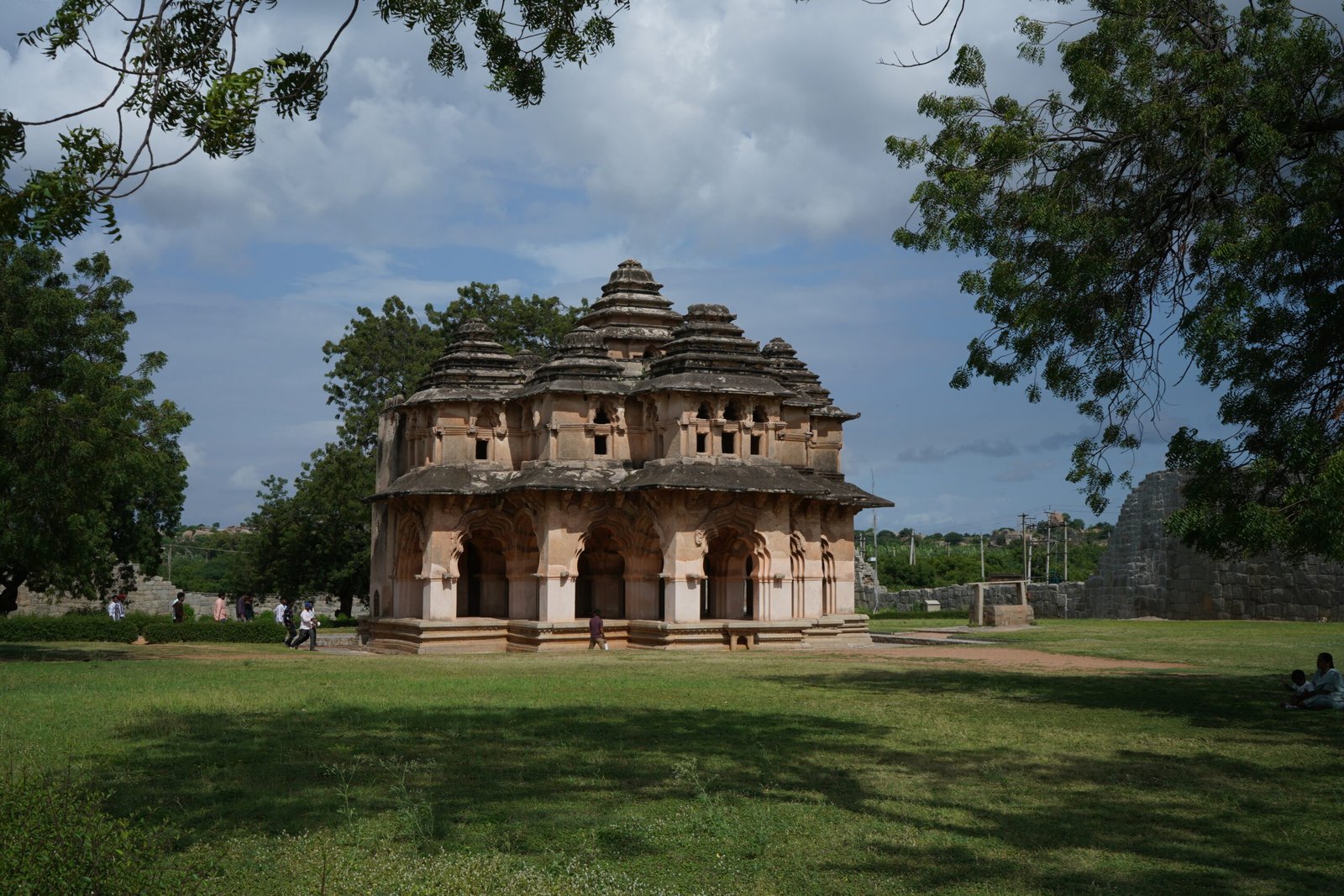
Hidden within the Zenana Enclosure, the Lotus Mahal was a royal retreat designed for peace and comfort. Inspired by the shape of a lotus, the elegant two-storey structure is known for its beautiful arches and clever cooling design. Surrounded by fortified walls and watchtowers, the enclosure once housed the royal women of the empire, making it one of Hampi’s most unique architectural spaces.
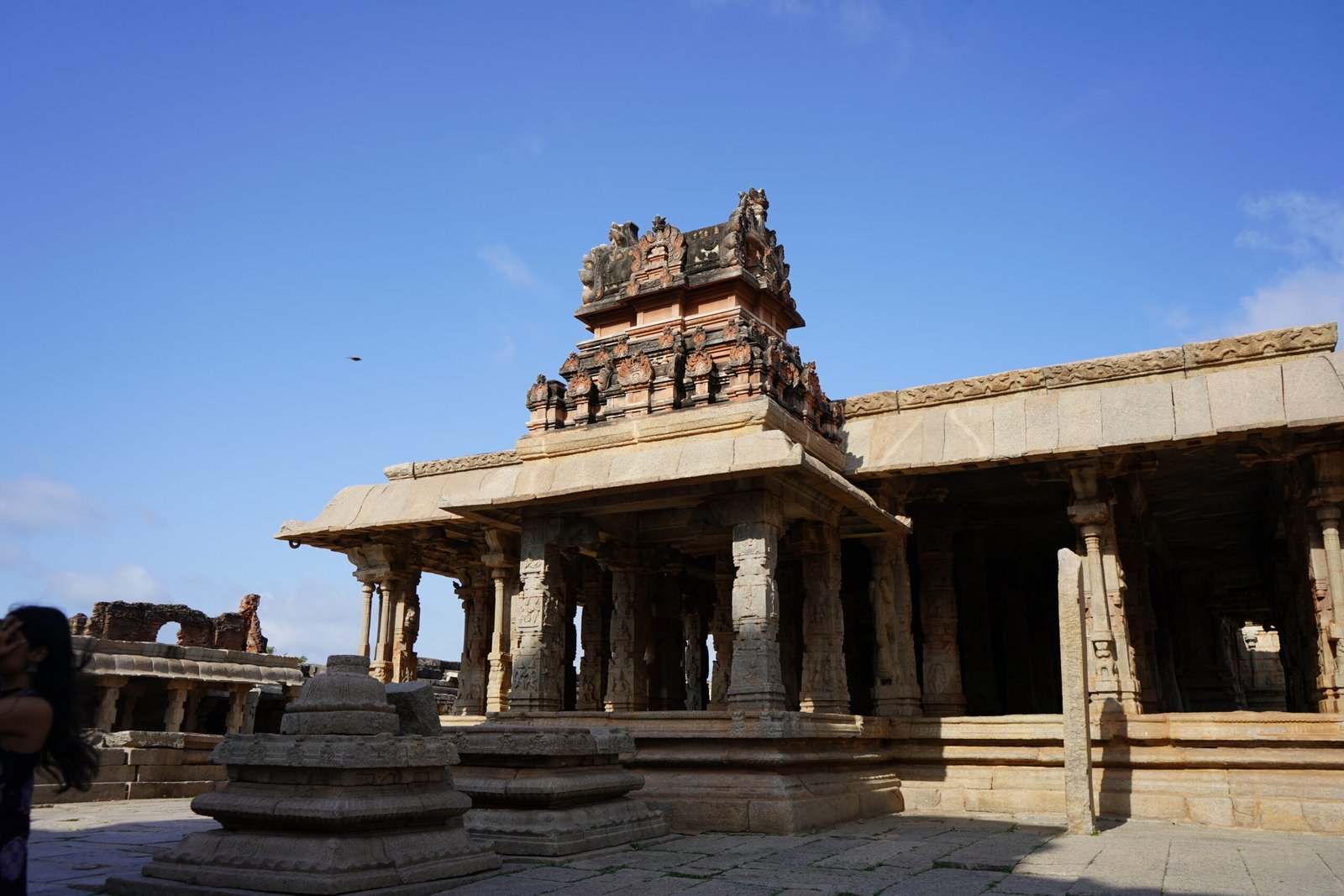
Built after King Krishnadevaraya’s victory at Udayagiri, the Krishna Temple is among the best-preserved temples in Hampi. Dedicated to Balakrishna, the temple complex once had a lively marketplace lined with stone pavilions. Visitors can still see the stepped tank, ancient inscriptions, and traces of the bustling streets that once surrounded this sacred space.
Participants should have innate śhraddhā (reverence) in the Sanatan culture and be open and willing to experience it. Also, as this is an in-person retreat, prepare in advance to be physically present and capable at the venue. Participants should be medically fit to endure physical exertion.
In our culture, there is no age restriction as to when one can embark on an exploration in life.
However, from our experience of such yātrās, we have learnt that the below guidelines have been helpful:
This is not a regular tour programme and our focus is always on the darshan, understanding the history, culture, rituals, lore and traditions of the places we visit. Hence, daily travel can span anywhere between 3-5 hours with brief recesses. It’s also important to remember that the itinerary is subject to changes based on local contexts such as weather, pilgrimage crowds/queues, temple festivals, rituals, schedules etc.
Cost includes:
All the tour related expenses are already covered in the travel cost. However, personal expenses during the trip such local snacks, shopping, souvenirs etc should be kept in mind. Also, participants will bear expenses in case of evacuation due to medical emergencies or natural calamities such as earthquakes etc towards travel, boarding, lodging and medical costs.
Click on the ‘Register Now’ button on the webpage. Proceed to the Google form and fill the required details, upload the documents requested and submit. We will process your submission and verify documentation within 2-3 working days of your submission.
After 3 working days, you can expect a confirmation email (which will be sent to the email id with which you registered) which will have: Payment details and Enrollment Completion Form. Make payment using the payment details and upload the payment screenshot in order to secure your admission into the program. We will send you an acknowledgement email confirming this. After this step, you can proceed to book tickets and plan your travel/logistics to reach meeting point on Day 1. In any of the above steps, if you have questions, please do contact us over email or phone. A WhatsApp group will be formed closer to program dates for planning and coordination.
We will be there to assist you at each stage of the process and you can reach out to us at bikaner@yatrautsav.com for any query. In the meanwhile, you can try to avoid the following mistakes to make the registration process easier: Incomplete and incorrect information: Name, Email id, Phone Number etc. Uploading unclear photo or ID proof or B&W photo. Do remember that filling your name, email address and phone number is just the first step showing your interest in the programme. Be sure to check email for acknowledgement of your payment and receipt of enrollment completion form.
In case you are not able to join the yātrā due to any avoidable or unavoidable reason(s), you should notify us at the earliest in writing at payments@yatrautsav.com.
Our Refund Policy:
Cancellations